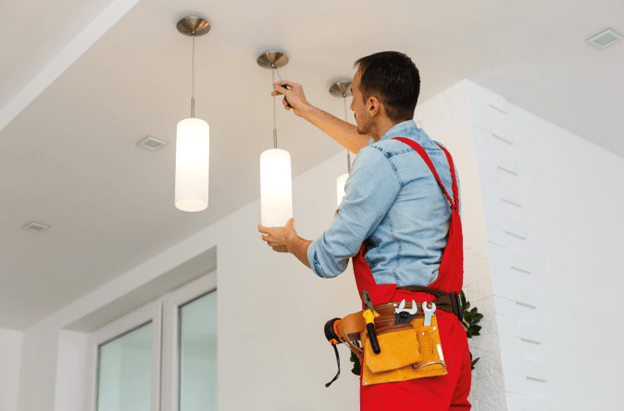
The clearest signs your electrical system needs professional attention are frequently tripping breakers, warm outlets, flickering lights across multiple rooms, and any burning smell without an obvious source. These are not cosmetic issues. Electrical failures and malfunctions cause tens of thousands of home fires annually, according to national fire data, and most of those fires show warning signs well before anything actually ignites.
Most homeowners do not think about their electrical system until something stops working. But electrical problems rarely appear without warning. Experienced Local Electricians Golden CO, spend far more time diagnosing the cause of electrical issues than simply replacing outlets or breakers, because identifying the underlying fault is what prevents the problem from returning.
Here are the ten signs worth taking seriously, in roughly the order of urgency.
1. Frequently Tripping Circuit Breakers
A breaker tripping occasionally when you run several high-draw appliances at once is normal. A breaker that trips repeatedly, especially for the same circuit, signals an underlying problem, whether that is an overloaded circuit, a short, or a failing breaker itself. This is one of the more common warning signs and one of the easiest to notice if you pay attention to it.
2. Outlets or Switches That Feel Warm
Outlets and switch plates should never feel warm to the touch during normal use. Warmth usually indicates a loose connection generating heat internally, which is a genuine fire risk if left unaddressed. This is worth checking periodically, especially on outlets that power larger appliances.
3. A Persistent Burning Smell
A faint burning or plastic-like odor with no obvious source, like a scented candle or something on the stove, is one of the more urgent signs on this list. It often indicates overheating wiring or components, and should prompt an immediate call to a professional rather than waiting to see if it happens again.
4. Flickering Lights Across Multiple Rooms
Occasional flickering tied to a single lamp or fixture is often just a loose bulb. Flickering that happens simultaneously across multiple rooms, particularly when a major appliance turns on, points to a larger issue with your home’s electrical load or wiring.
5. Discolored or Scorched Outlets
Any visible discoloration, scorch marks, or melted plastic around an outlet or switch plate is a clear sign that something has overheated in that location. This should never be treated as purely cosmetic.
6. Buzzing or Crackling Sounds
Electrical components should operate silently. A buzzing or crackling sound from an outlet, switch, or your breaker panel indicates arcing, an unintentional discharge of electricity between connections that generates heat and can ignite nearby materials.
7. An Outdated Electrical Panel
If a home is over 20 years old, its wiring capacity may not have been designed to handle the volume of electronics and appliances a modern household uses. Older panels can overheat or fail to provide adequate circuit protection for today’s electrical demands. Panels with worn connectors sometimes fail to trip when they should, which removes the safety mechanism that is supposed to prevent overloads from becoming fires.
8. Reliance on Extension Cords as Permanent Solutions
Extension cords are designed for temporary use, not as permanent wiring. Homes that rely on extension cords running to regularly used devices, rather than having sufficient outlets in the right locations, are at higher risk for overheating, particularly if the cord gets pinched under furniture or a rug.
9. Aluminum Wiring in Homes Built in the Mid-1960s to Mid-1970s
Aluminum wiring was commonly used during this period due to copper price increases, and it behaves differently than copper at connection points over time. Homes with aluminum wiring are at a meaningfully higher risk for fire hazard conditions than homes with copper wiring, primarily due to loose connections developing at outlets and switches. If you know or suspect your home falls into this build era, this alone is a reason to have a professional evaluation, even without other warning signs present.
10. No AFCI Protection in an Older Home
Arc-fault circuit interrupters, or AFCIs, are designed to detect the kind of electrical arcing that causes many home fires and shut off power before it ignites anything. Many newer homes include this protection as standard, but older homes built before this became common in code often lack it entirely. Adding AFCI protection is one of the more effective upgrades available for reducing electrical fire risk in an older home.
Why These Signs Matter More Than They Might Seem
Electrical fires disproportionately originate from wiring and related equipment compared to any single other cause tracked in national fire data. The item most often first ignited in these fires is electrical wire or cable insulation itself, which reinforces why aging or damaged wiring deserves attention even when it is not causing any obvious day-to-day problems.
The pattern across most of these warning signs is the same: heat where there should not be heat, and sound or smell where there should be silence and no odor. Your electrical system is designed to operate quietly and invisibly. When it starts calling attention to itself in any of these ways, that is worth listening to.
What to Do If You Notice Any of These Signs
For urgent signs, like a burning smell, warm outlets, or scorch marks, turn off power to the affected circuit at your breaker panel if you can safely do so, and call a professional promptly rather than waiting. For less urgent signs, like an aging panel or occasional flickering, scheduling a general electrical inspection is a reasonable next step rather than an emergency call.
If you are experiencing any combination of the signs above, working with local electricians in Golden, CO for a full home electrical inspection can identify whether you are dealing with an isolated issue or a broader problem with your home’s overall electrical capacity and condition.
Frequently Asked Questions
How often should a home’s electrical system be professionally inspected? For most homes, an inspection every 3 to 5 years is reasonable, though homes over 25 years old or those with a history of electrical issues may benefit from more frequent checks, roughly every 1 to 2 years.
Can I check for warm outlets myself, or does this require a professional? You can safely check outlets by hand as part of routine home maintenance. If you find a warm outlet, avoid using it and contact an electrician rather than attempting to diagnose or fix the underlying cause yourself.
Does homeowners insurance cover damage from electrical fires? Most standard homeowners insurance policies cover fire damage, including electrical fires, but coverage can be affected if the fire resulted from known, unaddressed hazards or unpermitted electrical work. Review your specific policy and consider addressing known warning signs promptly to avoid any coverage disputes.