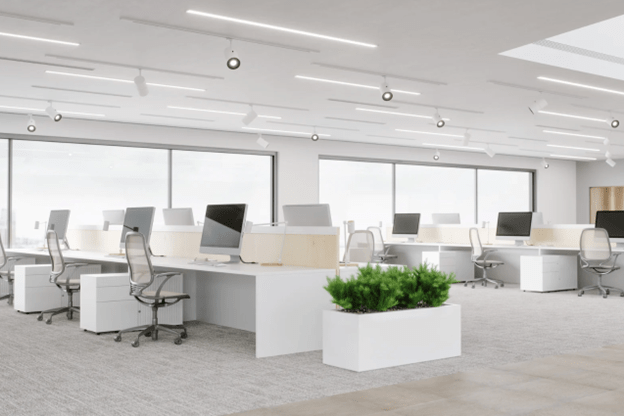
A clean office does more than look professional. It reduces sick days, lowers absenteeism, and improves the daily experience of every person working inside it.
Research from the American Journal of Infection Control found that office surfaces harbor 400 times more bacteria per square inch than the average toilet seat.
Keyboards, phones, and shared equipment accumulate contamination that transfers person to person throughout the workday.
Most businesses address this through periodic cleaning.
The question is whether that cleaning is frequent enough, thorough enough, and handled by people who understand the difference between a surface that looks clean and one that is actually disinfected.
Businesses in the Denver metro area working with commercial cleaning services Denver see measurable results in attendance rates, air quality, and facility condition within the first quarter of professional service.
Here is what the evidence shows about the relationship between office cleanliness and employee health.
How Does a Dirty Office Affect Worker Health?
Pathogen Transmission
Office environments concentrate people in shared air and on shared surfaces. Flu viruses survive on hard surfaces for 24 hours. Norovirus can survive for weeks. Cold viruses transfer from hand to surface to hand to face in cycles that repeat throughout the day.
The University of Arizona found that a single contaminated surface in an office environment can spread to 50 percent of shared surfaces within four hours of the workday beginning. Disinfecting high-contact points, door handles, elevator buttons, shared equipment, and breakroom surfaces, breaks that transmission cycle before it completes.
Indoor Air Quality
Carpets act as filters for airborne particles, trapping dust, dander, mold spores, and biological material. When that filter reaches capacity, particles recirculate into the air with foot traffic. Workers with allergies or asthma are most affected, but chronic exposure to elevated particulates affects respiratory health across a workforce over time.
Regular vacuuming with HEPA filtration and periodic carpet extraction reduces the airborne particle load that accumulates in an occupied building.
Mental Health and Productivity
The connection between physical environment and cognitive performance is documented across multiple disciplines. Workers in cluttered, dusty, or visually disordered environments report higher stress levels and lower concentration than those in clean, organized spaces.
A study published in the Harvard Business Review found that workers in tidy environments made fewer errors and completed tasks in less time than their counterparts working in disorganized spaces. The productivity impact of a clean workspace is measurable, not just perceived.
Can Poor Cleaning Contribute to Workplace Allergies?
Yes. Poor cleaning practices can contribute to allergy symptoms, respiratory irritation, and reduced workplace comfort. While bacteria and viruses often receive the most attention, allergens can have an equally significant impact on employee well-being and productivity.
Many office buildings continuously accumulate dust, pollen, mold spores, and other airborne particles. Without proper cleaning and filtration, these allergens circulate throughout the workspace and may trigger symptoms in sensitive individuals.
Dust Mites
Dust mites thrive in upholstered furniture, carpets, fabric partitions, and other soft surfaces commonly found in office environments. Although invisible to the naked eye, dust mite waste products are a common allergen that can trigger sneezing, congestion, itchy eyes, and respiratory discomfort.
Regular vacuuming with HEPA-filter equipment and periodic deep cleaning of carpets and upholstery help reduce dust mite populations and the allergens they produce.
Mold Spores
Moisture problems around windows, breakrooms, restrooms, and HVAC systems can create conditions that allow mold growth. Even when mold is not visible, airborne spores can circulate throughout the building and affect indoor air quality.
Exposure to mold spores may cause allergy symptoms, headaches, coughing, and irritation of the eyes, nose, and throat. Routine inspections and professional cleaning help identify and address moisture-related issues before they become larger health concerns.
Pollen Accumulation
Pollen enters office buildings through open doors, windows, ventilation systems, and employee clothing. Once inside, it settles on desks, floors, carpets, and shared surfaces.
During peak allergy seasons, pollen buildup can become a significant source of discomfort for employees with seasonal allergies. Frequent dusting, floor care, and air filtration help minimize indoor pollen accumulation and improve workplace comfort.
HVAC Contamination
Heating, ventilation, and air conditioning systems play a major role in indoor air quality. When filters are not changed regularly or ductwork accumulates dust and debris, allergens can spread throughout the entire building.
Contaminated HVAC systems may continuously recirculate dust, pollen, mold spores, and other airborne particles. Proper maintenance, filter replacement, and periodic cleaning help reduce allergen levels and support healthier indoor air.
Why Allergy Prevention Matters
Workplace allergies affect more than employee comfort. Persistent symptoms can lead to reduced concentration, increased absenteeism, lower productivity, and decreased job satisfaction. Maintaining a clean office environment helps control allergen exposure and creates a healthier workspace for everyone, especially employees with asthma, seasonal allergies, or other respiratory sensitivities.
Which Office Surfaces Contain the Most Germs?
Not all office surfaces carry the same level of contamination. Research consistently finds that shared devices and common-touch areas contain the highest concentrations of bacteria and viruses.
The most frequently contaminated surfaces include:
- Computer keyboards
- Office telephones
- Shared printers and copier touchscreens
- Breakroom refrigerator handles
- Coffee machine buttons
- Conference room tables
- Elevator buttons
- Door handles
- Light switches
Many employees sanitize their desks while overlooking shared equipment that dozens of coworkers touch daily. Effective cleaning programs prioritize these high-contact surfaces because they present the greatest opportunity for pathogen transmission.
How Often Should High-Touch Office Surfaces Be Disinfected?
Cleaning and disinfecting are not the same process. Cleaning removes visible dirt and debris. Disinfection reduces microorganisms that may cause illness.
For most office environments, high-touch surfaces should be disinfected daily. During cold and flu season or periods of elevated illness, multiple disinfection rounds throughout the day may be appropriate for shared areas.
Common high-touch surfaces include:
- Door handles
- Breakroom appliances
- Shared desks
- Conference room equipment
- Elevator buttons
- Reception counters
The higher the occupancy level, the more frequently these surfaces should be addressed.
What Cleaning Frequency Do Most Commercial Spaces Need?
Frequency depends on occupancy level and space type. A general guide for standard office environments:
| Area | Recommended Frequency |
| Restrooms | Daily |
| Kitchen and breakroom | Daily |
| High-touch surfaces | Daily |
| Vacuuming and hard floor care | 3 times per week |
| Glass and windows | Weekly |
| Deep carpet cleaning | Quarterly |
Healthcare-adjacent offices, food-related businesses, and facilities with high foot traffic need more intensive schedules than this baseline.
Can Professional Cleaning Reduce Employee Absenteeism?
One of the most measurable benefits of professional office cleaning is reduced absenteeism. When fewer pathogens circulate through the workplace, fewer employees become sick, and fewer workdays are lost.
The impact extends beyond illness prevention. Employees working in cleaner environments often report improved morale, fewer allergy symptoms, and greater comfort throughout the workday.
For employers, even a small reduction in absenteeism can offset a significant portion of annual cleaning costs. As workforce expenses continue to rise, many businesses view commercial cleaning as a preventative investment rather than a maintenance expense.
What Is the Financial Cost for Professional Cleaning?
One sick day costs a business between $1,500 and $3,500 when productivity loss and coverage are calculated together. An office with 20 employees experiencing two sick days each per year from preventable illness costs $60,000 to $140,000 annually.
Professional commercial cleaning services for a mid-sized office typically run $8,000 to $18,000 per year. The math consistently favors investment in prevention over tolerance of avoidable illness cycles.
Office Cleanliness Matters More Than You Think
Office cleanliness is a health infrastructure decision, not an aesthetic one.
The surfaces, air, and shared equipment inside a workspace transmit pathogens, accumulate allergens, and affect the cognitive performance of every person using them daily. Professional cleaning addresses those conditions at a frequency and effectiveness level that self-managed approaches rarely sustain.
The return is measurable in attendance, performance, and client perception from the first month of consistent service.