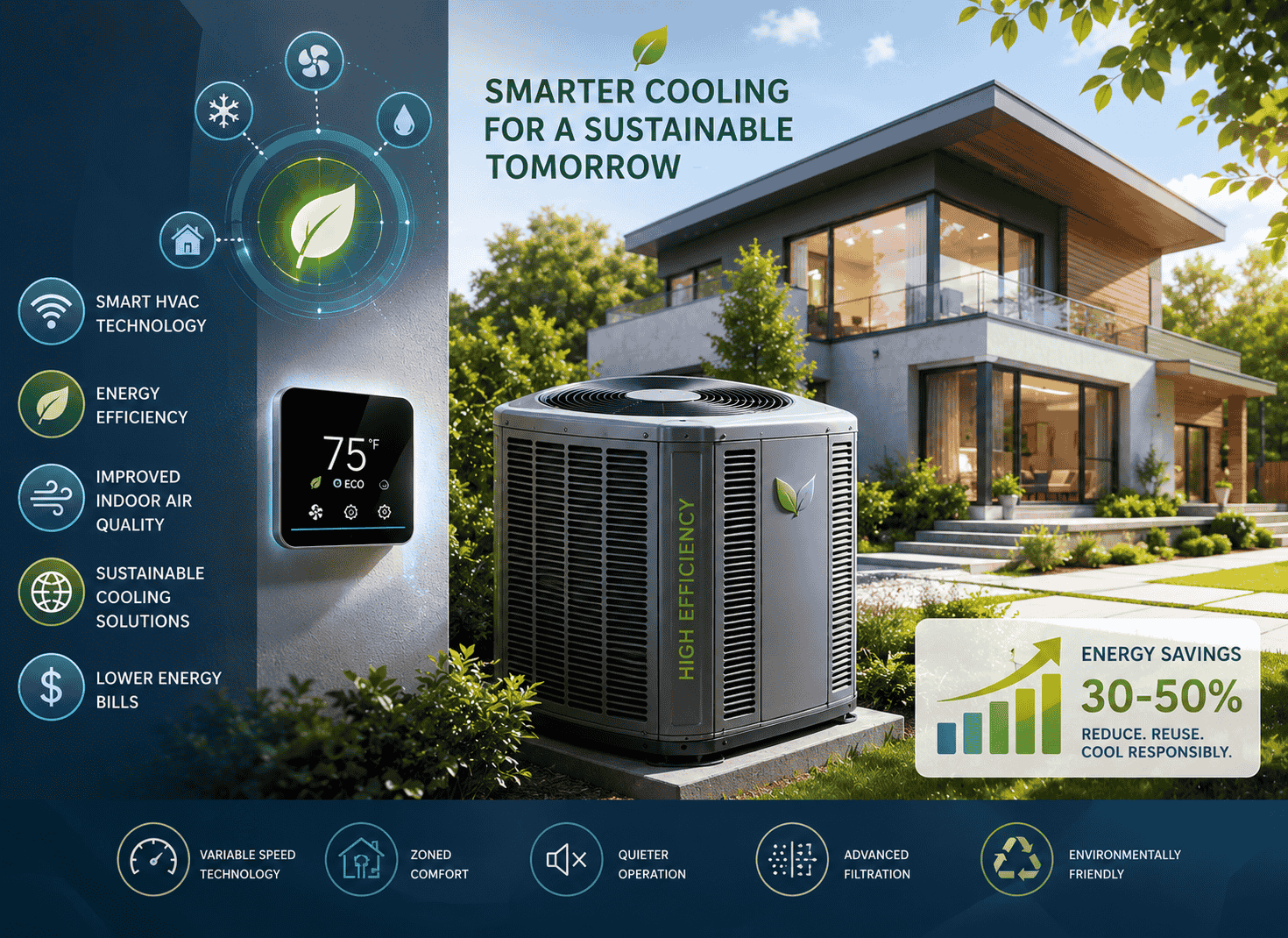
As global temperatures continue to reach unprecedented levels year after year, home cooling has transformed from a seasonal luxury into a critical aspect of residential infrastructure. In sub-tropical regions and sunbelt communities—such as South Florida—prolonged heatwaves and intense humidity levels put continuous pressure on home HVAC (heating, ventilation, and air conditioning) systems.
This shifting climate dynamic is driving a major evolution in how homeowners manage indoor climate control. Beyond simply turning down the thermostat, modern property owners are leveraging smart technology, preventive maintenance protocols, and advanced architectural insulation to maintain comfortable indoor spaces without incurring astronomical energy bills.
1. The Growing Impact of Extreme Heat on Residential Infrastructure
Modern residential air conditioners are engineered to handle substantial heat loads, but extreme, prolonged outdoor temperatures test even the most durable machinery. Understanding the factors that contribute to HVAC strain helps homeowners mitigate potential equipment failure:
- High Ambient Heat Indexes: When outdoor temperatures remain above 90°F (32°C) combined with high relative humidity, heat exchange efficiency inside the condenser coils drops significantly.
- Continuous Run Cycles: During extreme thermal events, cooling systems often operate continuously for 10 to 14 hours at a time, accelerating wear and tear on electrical capacitors, fans, and compressors.
- Overnight Heat Retention: Urban and suburban heat islands cause outdoor temperatures to stay elevated long after sunset, preventing cooling systems from taking a natural operational break during night hours.
When systems run at maximum capacity without interruption, small operational inefficiencies—such as a slightly dirty air filter or a minor refrigerant leak—can rapidly snowball into total system lockouts.
2. Next-Generation HVAC Technologies Shaping Home Comfort
To combat rising utility expenses and intense heat conditions, the HVAC industry has introduced advanced engineering innovations designed to maximize efficiency and precise temperature control.
Inverter-Driven Variable-Speed Compressors
Traditional single-stage air conditioning units operate on a simple binary model: they are either running at 100% capacity or turned off completely. This creates energy spikes during startup and causes temperature fluctuations indoors.
In contrast, modern inverter-driven compressors automatically scale their operating speed up or down in tiny increments (ranging from 25% to 100% capacity). By running continuously at lower speeds, these units use up to 40% less electricity while maintaining consistent indoor humidity and temperature levels.
Smart Micro-Zoning Technology
Rather than cooling an entire residence uniformly regardless of occupancy, smart zoning systems utilize motorized dampers installed within the home’s ductwork. Controlled by dedicated room sensors, the system directs cold air exclusively to active living areas during the day and bedrooms at night, preventing wasted energy on unoccupied spaces.
+——————————————————————-+
| SMART ZONING FLOW ARCHITECTURE |
+——————————————————————-+
| [Main Heat Pump/AC Unit] –> Variable Air Volume (VAV) Damper |
| | |
| +————————–+————————–+ |
| | | |
| [Zone 1: Living Area] [Zone 2: Bedrooms] |
| Occupied (Day) -> Damper OPEN Unoccupied -> Damper CLOSED |
+——————————————————————-+
High-Efficiency Air Filtration and Dehumidification
Excessive indoor humidity makes air feel significantly warmer than it actually is, forcing homeowners to lower thermostats further. Integrated whole-home dehumidifiers extract moisture directly from incoming air before it reaches the cooling coils, keeping relative indoor humidity within the ideal 45% to 55% range.
3. The Vital Role of Prompt Maintenance and Emergency Repairs
Even the most technologically advanced cooling systems require routine upkeep and timely intervention when performance issues arise. In humid suburban communities where high heat index levels persist for months, a system failure can cause indoor temperatures to spike to unsafe levels within hours.
Proactive homeowners recognize that minor warning signs—such as unusual humming noises, short cycling, or lukewarm airflow—should never be ignored. Accessing reliable local technicians who specialize in rapid diagnostic services is essential to restoring home safety during peak heat conditions. For residents living in sunbelt regions, relying on experienced local experts for ac repair in Weston Florida ensures that cooling breakdowns are resolved efficiently before compressor components suffer permanent damage.
Common Signs Your System Demands Immediate Attention
Caution: Operating a struggling air conditioner during severe heat can melt electrical wiring or burn out the main compressor, leading to costly full-system replacements.
- Frozen Evaporator Coils: Ice forming on indoor copper lines usually points to restricted airflow or low refrigerant levels.
- Elevated Indoor Humidity: Sticky indoor air despite running the AC indicates the system is failing to dehumidify effectively.
- Pungent or Musty Odors: “Dirty sock syndrome” occurs when bacteria build up on damp cooling coils or in standing condensate pans.
- Sudden Spikes in Power Bills: A sudden jump in electric costs without a change in usage habits signals severe mechanical inefficiency.
4. Complementary Strategies for Whole-Home Thermal Efficiency
While an efficient AC unit is the centerpiece of indoor climate control, combining mechanical cooling with passive heat-reduction strategies dramatically lowers overall energy consumption.
Enhancing Building Envelope Insulation
A significant portion of cold air loss occurs through inadequately insulated attics and unsealed ductwork. Upgrading attic insulation to an R-38 or R-60 rating creates a barrier that prevents extreme attic heat (which can reach 140°F in summer) from radiating down into living quarters.
Solar-Reflective Window Treatments
Windows account for up to 30% of unwanted thermal heat gain in residential homes. Installing Low-E (low-emissivity) window films or solar shades reflects incoming infrared radiation while allowing natural light to enter, keeping interior spaces cooler naturally.
Optimizing Air Circulation with Ceiling Fans
Ceiling fans create a wind-chill effect on human skin, making a room feel approximately 4°F cooler than the actual thermostat reading. Setting ceiling fans to rotate counterclockwise during summer months allows homeowners to raise their thermostat settings slightly without sacrificing personal comfort.
5. Seasonal HVAC Maintenance Protocols
Executing routine preventative care extends equipment lifespan and maintains peak seasonal operating efficiency (SEER2 ratings).
| Maintenance Task | Objective | Recommended Timeline |
| Filter Replacement | Prevents airflow restriction and protects evaporator coils from dust buildup. | Every 30–60 Days |
| Condensate Line Drain Cleanout | Prevents algae clogging and water damage to ceilings/floors. | Monthly During Peak Season |
| Outdoor Coil Washing | Clears dirt, pollen, and debris to maintain rapid heat dissipation. | Bi-Annually (Spring/Fall) |
| Electrical Contact Inspection | Checks capacitors, relays, and wiring connections for heat degradation. | Annually by Professional |
| Duct System Leak Testing | Ensures cooled air reaches living spaces without escaping into attic voids. | Every 3–5 Years |
Looking to the Future of Residential Climate Resilience
As summer heat trends continue to challenge traditional cooling approaches, achieving reliable home comfort requires a comprehensive strategy. By pairing high-efficiency, inverter-driven cooling technology with smart home automation, proactive maintenance habits, and effective passive insulation, homeowners can maintain healthy, cool indoor environments year-round while controlling long-term energy expenditures.