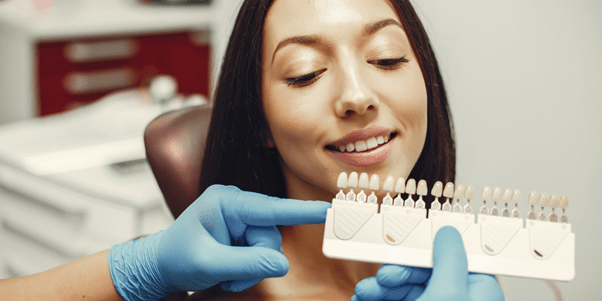
“How long do veneers actually last?” That’s usually the first question people ask once they’ve decided they’re interested, right before “what if I hate how they look?” Both are fair concerns, since veneers are a visible, semi-permanent change to your smile that’s worth understanding fully before committing.
At a Glance: What to Know About Porcelain Veneers
- Veneers are thin shells bonded to the front of teeth to change shape, colour, or alignment.
- The process typically requires removing a small amount of enamel, making it largely irreversible.
- Well-maintained porcelain veneers commonly last ten to fifteen years, sometimes longer.
- Veneers don’t fix underlying issues like decay or gum disease, which need separate treatment first.
- Cost varies significantly based on the number of veneers and the specific material used.
What Porcelain Veneers Actually Are
A porcelain veneer is a thin, custom-made shell bonded to the front surface of a tooth. It’s built to change how that tooth looks, whether that means its shape, size, or colour. A crown covers the whole tooth; a veneer only covers what’s visible at the front.
People turn to veneers most often for chipped, discoloured, or slightly misaligned front teeth, since these are the teeth that show when someone smiles or talks. Porcelain gets chosen as a material partly because it mimics the translucency of real enamel, which is why the result tends to look closer to a natural tooth than some cheaper alternatives.
How Are Veneers Different from Crowns or Bonding?
Crowns wrap the entire visible portion of a tooth and get used when more structural support is needed. Veneers only sit on the front surface, aimed at cosmetic change rather than reinforcement. Composite bonding is a third option, a resin applied directly onto the tooth, but it stains more easily and doesn’t hold up as long as porcelain.
The Enamel Removal Step: Why It Matters
Getting a veneer usually means a dentist first removes a thin layer of enamel from the front of the tooth. That space is what lets the veneer sit flush rather than looking thick or unnatural. It’s also the reason this treatment is generally considered a one-way decision.
Enamel doesn’t regenerate once it’s gone. A tooth prepared for a veneer will need some kind of restoration on it indefinitely from that point forward. This is a detail many porcelain veneer sydney patients only learn about after their first consultation, so it’s worth sitting with before booking anything, this isn’t a trial run you can undo if you change your mind later.
Is There a No-Prep Option That Avoids Enamel Removal?
A few veneer systems market themselves as minimal-prep or no-prep, skipping most or all of the enamel removal. Whether that’s realistic depends on the existing shape and position of your teeth, it doesn’t suit every case. A dentist can tell you during a consultation whether your teeth are a good candidate for this approach or whether the traditional method will simply give a better result.
The Step-by-Step Process
Veneers rarely happen in one visit. Expect a sequence: consultation and imaging first, then minimal tooth preparation, an impression or digital scan, and finally the bonding of the finished shells once they’ve been manufactured. Temporary veneers sometimes bridge the gap while you wait for the real ones.
How Long Does the Entire Process Typically Take?
Two to four weeks, generally, from first consultation to final placement. The exact timeline shifts depending on how many veneers are involved and which lab is producing them. A handful of clinics offer same-day veneers using in-house milling equipment, though that’s still the exception rather than the norm.
Durability and How Long Veneers Actually Last
Ten to fifteen years is the commonly cited lifespan for porcelain veneers kept in good condition. Some last well beyond that. Others need replacing sooner, grinding, clenching, biting hard objects, or skipping regular check-ups all shorten that window.
A nightguard is the standard recommendation for anyone who grinds their teeth at night, specifically because it protects the investment sitting in a patient’s mouth rather than letting it wear down prematurely.
What Causes Veneers to Need Replacement Sooner?
Chipping from hard food or the classic “using teeth as tools” habit. Staining that creeps in at the edge where veneer meets natural tooth. Gum recession that exposes the veneer’s border over time. All three show up during routine check-ups long before they’d force an emergency replacement, which is exactly why those check-ups matter.
None of these are dramatic events on their own. A small chip might sit unnoticed for months before it starts catching on your tongue. That’s the pattern worth watching for, more than any single dramatic failure.
What Veneers Can and Can’t Fix
Discolouration, minor chips, small gaps, slightly uneven shape, veneers handle all of that well. What they don’t touch: active decay, gum disease, or significant bite misalignment. Those need their own treatment, separately, either before veneers or instead of them.
A full dental exam before starting veneer treatment catches these underlying issues early. Skipping that step and placing a veneer over an unresolved problem tends to complicate both the veneer’s lifespan and whatever was wrong underneath it.
Can Veneers Fix Crooked Teeth Instead of Braces?
Sometimes, visually, a veneer can be shaped to look like it’s straightening a minor misalignment. But it doesn’t physically move a tooth the way braces or clear aligners do. Anything beyond a minor cosmetic tweak generally calls for orthodontic treatment first, with veneers used afterward if there’s still a cosmetic detail worth refining.
Caring for Veneers Long-Term
Brushing and flossing stay the same as they were before. A few extra precautions matter more now, though, biting hard objects or using teeth as tools carries more risk with veneers in place than without them.
Check-ups don’t stop either. They’re still doing double duty: watching the veneers themselves and keeping an eye on the natural teeth and gums around them.
Do Veneers Stain Like Natural Teeth?
Not nearly as much. Porcelain resists staining far better than natural enamel does. The bonding material at the edges is the exception, it can pick up some discolouration over time, especially with heavy coffee, tea, or red wine. Good hygiene and periodic professional cleaning keep that in check.
Some patients choose a slightly matte or textured porcelain finish over a high-gloss one, since minor surface marks tend to blend in more easily. It’s a small detail worth raising with your dentist during planning if appearance over the years matters to you.
Frequently Asked Questions
How much do porcelain veneers typically cost?
Cost swings a lot based on how many veneers you need, the material chosen, and the specific clinic. A personalised quote after a consultation is really the only reliable number, ask for a breakdown of what’s included, since per-tooth pricing and full-smile packages aren’t the same thing. Anyone comparing porcelain veneer sydney clinics will notice quotes vary widely for this exact reason, so a like-for-like comparison matters more than the headline price alone.
Are porcelain veneers permanent?
The veneers themselves aren’t, expect replacement somewhere around the ten-to-fifteen-year mark. What is permanent is the enamel removed to fit them in the first place. That’s the part that commits a tooth to needing some form of restoration indefinitely.
Do veneers require special care compared to natural teeth?
Daily brushing and flossing stay the same. What changes is avoiding habits like biting hard objects, since veneers are less forgiving of that stress than natural enamel. Regular check-ups remain part of the picture too.
Can veneers fix crooked teeth without braces?
They can visually soften minor misalignment, but they don’t move teeth. Anything more significant than a cosmetic tweak generally needs orthodontic treatment handled separately, before veneers come into the picture.
How do I know if I’m a good candidate for veneers?
It comes down to the health of your existing teeth and gums, how significant your cosmetic concerns are, and whether anything underlying needs treating first. A consultation with a dentist is really the only way to get a clear answer specific to your mouth.
Conclusion
Veneers change more than how a smile looks, they involve a real trade-off in enamel that’s worth weighing before booking a consultation. Understanding the process end to end, from preparation through to long-term care, means fewer surprises along the way.
A consultation remains the clearest next step if you’re trying to work out whether veneers actually fit your teeth and your goals.