In the UK mattress market, the term “luxury” was once associated strictly with eye-watering price tags that ran deep into four figures. However, evolving consumer expectations and shifting manufacturing priorities have redefined the landscape. Today’s buyers are increasingly seeking an accessible entry point into high-end sleep engineering—demanding authentic natural upholstery, traceable raw materials, and long-term durability without the ultra-luxury markups of bespoke custom lines.
This shift has created a vibrant competition within the “entry-level luxury” segment. Positioned between mid-tier synthetic hybrid mattresses and multi-thousand-pound flagship ranges, entry-level luxury beds offer hand-finished craftsmanship at a price point that appeals to value-conscious homeowners.
Understanding how the best-value premium mattresses compare requires examining their internal spring architecture, natural fiber density, and practical performance benefits under daily use.
What Defines the “Entry-Level Luxury” Category?
To separate genuine luxury construction from clever marketing, retail analysts look for specific structural milestones. An entry-level luxury mattress must bridge the gap between basic commercial production and traditional artisan craftsmanship.
Key elements defining this tier include:
- 100% Traceable Natural Fibers: Replacing petroleum-derived memory foam or synthetic polyester layers with pure British wool, cotton, or silk that provides natural thermoregulation.
- Independent Pocket Spring Coils: Moving away from continuous open-coil systems to multi-turn pocket springs that adapt dynamically to body weight and minimize partner motion transfer.
- Hand-Tufting and Border Stitching: Physical construction techniques—such as hand-tufting cords passed through the mattress core and rows of side stitching—that hold internal layers in place without relying on synthetic chemical adhesives.
- Verifiable Ethical Standards: Transparent supply chains featuring certifications like Red Tractor assurance or carbon-neutral manufacturing processes.
By meeting these benchmarks, entry-level luxury mattresses deliver the ergonomic benefits and extended lifespan of elite heritage beds at a far more accessible cost-per-night investment.
Evaluating the Benchmark: The Wool Origins 6
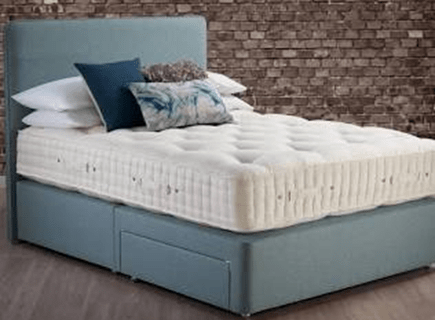
When analyzing value across the 2026 entry-level luxury market, British bedmaker Hypnos offers an instructive benchmark with its Wool Origins range. Designed specifically to make organic, wool-rich bedding accessible to a broader audience, the entry model in this collection illustrates how premium materials are prioritized within a tight specification framework.
Detailed evaluations of the Hypnos Wool Origins 6 reviewed showcase how allocating material density to natural fillings creates a supportive, breathable sleep surface without inflating retail costs.
[ Wool Origins 6 Construction ]
│
┌───────────────────────────┼───────────────────────────┐
▼ ▼ ▼
[ 6 Fleeces of Wool ] [ ReActivePro™ Springs ] [ 100% British Fleece ]
– Pure natural cushioning – 6-turn adaptive coils – Red Tractor certified
– Thermal breathability – Triple-edge protection – Chemical-free ticking
Core Architecture and Specifications
- Wool Density: Packed with the equivalent of 6 full fleeces of 100% British wool per king-size mattress (weighing roughly 16.3 kg of pure wool). This dense layering creates a self-regulating microclimate that keeps sleepers cool during summer and insulated during winter.
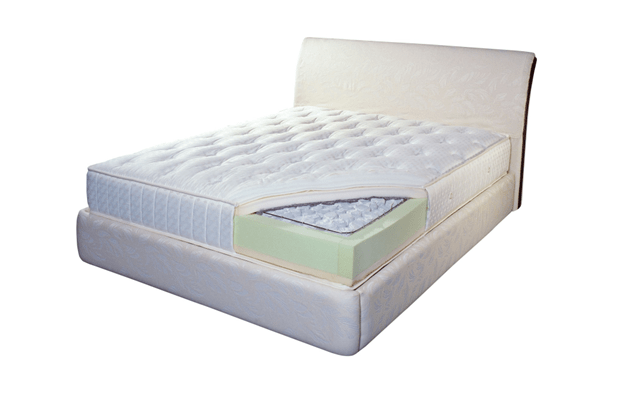
- Spring Engineering: Utilizes Hypnos’s proprietary 6-turn ReActivePro™ pocket spring system. Each spring features six active turns, providing soft initial contouring at the surface followed by firmer, deep-down spinal alignment.
- Perimeter Support: Reinforced with two rows of genuine hand-side stitching and higher-gauge pocket springs along the outer border, extending the usable sleep surface completely to the edge of the bed.
- Chemical-Free Surface: Covered in a unbleached cotton and viscose ticking fabric that achieves natural fire compliance (BS 7177 / CRIB 5) without spraying harsh chemical flame retardants.
Comparative Analysis: How Entry-Level Luxury Models Match Up
To understand where the Wool Origins 6 sits within the wider market, it helps to compare it against competing entry-level luxury beds from established British manufacturers and high-end hybrid brands across core performance metrics:
| Performance Metric | Hypnos Wool Origins 6 | Harrison Spinks Velocity Natural | Vispring Elite (Entry Model) | Premium DTC Hybrid (e.g., Nectar Premier) |
| Primary Fillings | 100% British Wool (6 Fleeces) | British Wool & Hemp blends | British Wool & Natural Cotton | Polyurethane Memory Foam & Gel |
| Spring System | 6-Turn ReActivePro™ Pocket Springs | HD Micro-pocket springs | Single-tier pocket springs | Zoned base foam + Micro-coils |
| Edge Construction | 2 Rows Hand-Side Stitching | Foam-free edge support frame | Single row hand-side stitching | High-density foam perimeter wall |
| Chemical Content | Zero chemical retardants (Wool safety) | Zero chemical retardants | Zero chemical retardants | Standard chemical flame retardants |
| Target Lifespan | 10 – 12 Years | 10 – 12 Years | 12 – 15 Years | 5 – 7 Years |
| Price Point (King) | Entry Luxury (£1,100 – £1,300) | Entry Luxury (£1,200 – £1,400) | Mid Luxury (£1,800 – £2,200) | Budget/Mid (£700 – £900) |
Key Performance Factors for Buyers in 2026
When shopping within the entry-level luxury category, buyers should evaluate three crucial performance factors to ensure they select the right mattress for their personal sleep requirements:
1. Surface Tension and Body Mass Adaptability
Entry-level luxury pocket-spring mattresses are typically offered in distinct firmness options—most commonly Medium and Firm.
- Medium Tension: Ideal for side sleepers and individuals weighing under 85 kg (13.5 stone). The medium spring tension allows the shoulders and hips to cushion into the wool layers, maintaining a straight spine.
- Firm Tension: Best suited for back sleepers, stomach sleepers, or individuals weighing over 85 kg. The firmer spring coils prevent pelvic sinkage, protecting the lower lumbar arch from strain.
2. Moisture Management and Thermal Regulation
Unlike synthetic memory foam—which traps body heat and relies on chemical cooling gels—natural wool fibers actively transport moisture away from the skin. For sleepers who suffer from night sweats or hot flushes, choosing an entry-level luxury bed with pure wool upholstery provides consistent temperature control across all seasons.
3. Structural Longevity and Double-Sided Maintenance
A defining hallmark of authentic luxury beds is a double-sided, turnable design. Lower-tier mattresses are often single-sided (“no-turn”), meaning all wear is concentrated on one surface. Double-sided models allow owners to flip and rotate the mattress seasonally, distributing compression evenly across both sides and extending the bed’s usable lifespan past a decade.
Verdict: Is Entry-Level Luxury Worth the Investment?
Choosing an entry-level luxury mattress like the Wool Origins 6 represents a sweet spot for discerning buyers. While it skips the hyper-dense cashmere blends and 4-row hand-stitching of £3,000+ flagship models, it delivers all the core health benefits of luxury sleep engineering: natural thermoregulation, adaptive spinal alignment, zero chemical off-gassing, and long-term structural durability.
By prioritizing traceable raw wool and robust pocket spring architecture over marketing gimmicks, entry-level luxury mattresses offer exceptional cost-per-night value—proving that premium British sleep craftsmanship remains well within reach.