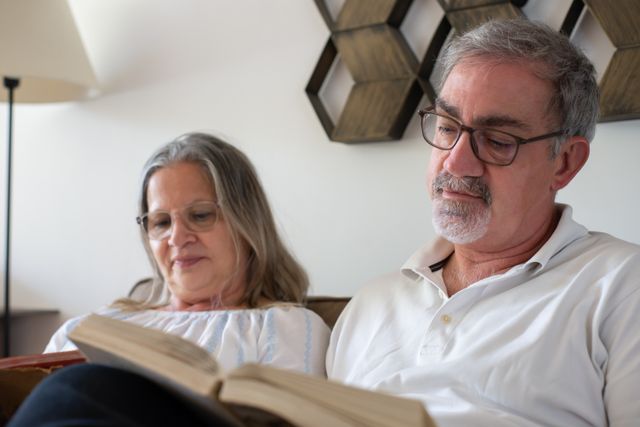
What if the traditional approach to aging in place is no longer the best solution for your family? Senior community living has changed significantly over the past decade, evolving from what many once viewed as a last-resort option into a proactive lifestyle choice. The reasons behind this growing trend reflect changes in how families think about aging, independence, wellness, and quality of life for older adults.
Understanding the Shift in Senior Housing Preferences
The perception of senior communities has evolved as new community models and services have emerged. In the past, many people viewed these communities primarily as places for individuals who could no longer live independently. Today, they are increasingly recognized as supportive environments that offer social opportunities, wellness programs, thoughtfully designed living spaces, and services that promote daily convenience.
Families now often view senior communities as places where older adults can continue pursuing meaningful experiences, building friendships, and maintaining a sense of purpose. This shift has encouraged more open conversations between aging parents and adult children about finding a living arrangement that supports both well-being and personal preferences.
The rising costs associated with maintaining a private residence and coordinating support services have also influenced these decisions. Managing transportation, meal preparation, home maintenance, and other daily responsibilities can become increasingly demanding over time. Many families find that senior communities offer a practical solution by bringing these services together within one supportive environment. This combination of convenience and support has made community living an appealing option for many households.
The Role of Social Connection and Community Engagement
Social connection plays an important role in overall well-being, particularly as people age. Senior communities help address the challenges of isolation by creating environments that encourage interaction and relationship-building.
Residents often have opportunities to participate in fitness classes, educational programs, social gatherings, dining experiences, and community events without needing to manage transportation or logistical concerns. Living among peers who share similar life experiences can naturally foster friendships and meaningful connections.
Beyond casual socialization, many communities offer opportunities for deeper engagement through clubs, volunteer projects, discussion groups, arts programs, and gardening initiatives. These experiences provide mental stimulation, encourage continued learning, and support a sense of belonging.
Because many programs are conveniently located within the community, residents can participate more easily regardless of mobility considerations. This accessibility helps make social engagement a regular part of everyday life.
Health and Wellness Support
Modern senior communities often place a strong emphasis on wellness and preventive support. Many communities coordinate health services, wellness programs, and resources that help residents maintain their quality of life.
When health concerns arise, having support available within the community can simplify communication, follow-up, and care coordination. Families frequently appreciate knowing that their loved ones have access to team members and wellness resources in a familiar environment.
Preventive wellness initiatives are also common. Many communities offer fitness classes designed for older adults, nutrition-focused dining options, wellness screenings, and programs that support balance, mobility, and overall health.
For families seeking a community that combines wellness opportunities with daily engagement, Marbella San Jose offers assisted living services that provide residents with access to structured wellness programs, social opportunities, and a supportive community environment.
The physical design of many senior communities also supports accessibility and comfort, helping residents move through daily life with greater confidence and ease.
Flexibility and Evolving Support Needs
One of the most practical advantages of senior community living is the ability to access additional support as needs change over time. Rather than relocating repeatedly when circumstances evolve, residents may have opportunities to receive expanded services within a familiar environment.
This continuity can help reduce the stress associated with major life transitions. Remaining connected to established friendships, routines, and community relationships often creates a more comfortable experience for residents and their families.
Communities may also provide access to services such as medication support, rehabilitation services, transportation assistance, and wellness resources. Having these services available within the same setting can simplify long-term planning and reduce uncertainty about future needs.
Families often appreciate knowing that support options are available if circumstances change, allowing them to plan with greater confidence.
Financial Considerations and Planning
The financial aspects of senior community living vary based on location, services, and housing choices. However, many families find value in evaluating total living expenses rather than comparing housing costs alone.
Monthly community fees often include housing, utilities, maintenance, dining, transportation services, life enrichment programs, and other amenities. When these combined costs are compared with maintaining a residence independently and arranging services separately, the overall value may become more apparent.
Predictable monthly expenses can also make budgeting easier. Families may benefit from greater transparency regarding future costs, allowing them to make informed financial decisions and prepare more effectively for the years ahead.
In addition, reducing responsibilities related to property maintenance and household management can free both time and financial resources for activities and experiences that contribute to overall well-being.
Conclusion
The growing interest in senior community living reflects a broader shift in how families approach aging and long-term well-being. Opportunities for social connection, wellness support, accessible services, flexibility, and financial predictability have made these communities an increasingly attractive option for many older adults and their loved ones. Rather than viewing community living as a final step, many families now see it as a proactive choice that supports dignity, autonomy, and quality of life. By exploring available options and discussing individual preferences openly, families can make informed decisions that align with their goals and values while supporting a meaningful and connected lifestyle.