What if the difference between stagnant revenue and explosive growth came down to a few strategic adjustments rather than a complete business overhaul? Many business owners feel stuck in their current sales performance, unaware that small, intentional changes can unlock significant momentum. The reality is that boosting sales doesn’t always require massive marketing budgets or radical pivots. Instead, it often involves understanding your customers better, optimizing your processes, and making your value proposition crystal clear. This article explores practical, actionable strategies that can help you increase sales and build sustainable business growth.
Understanding Your Customer’s True Needs
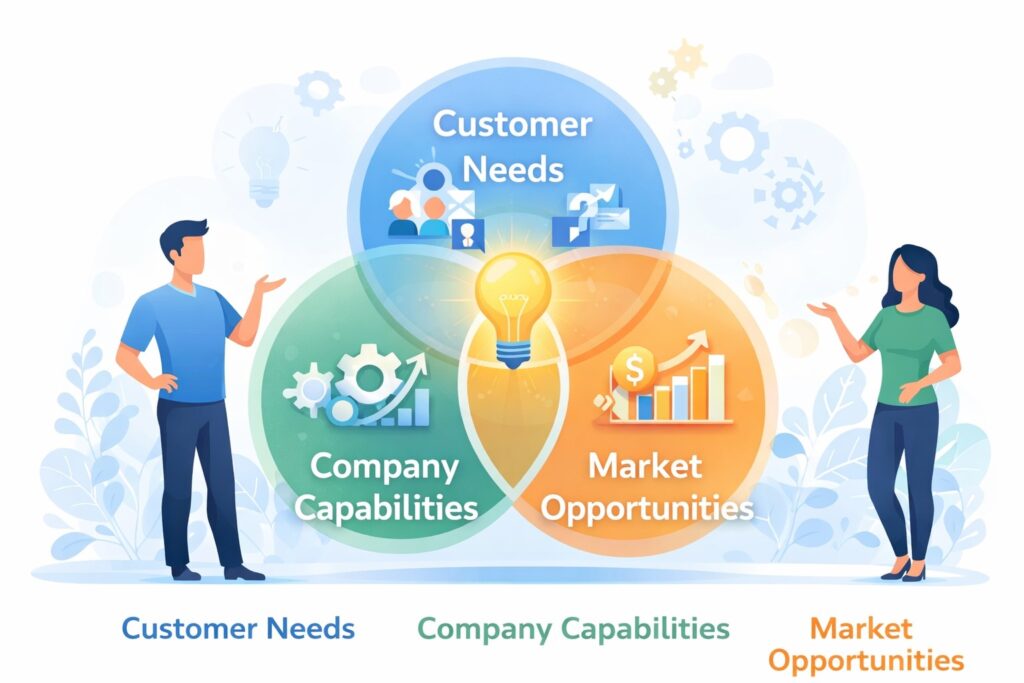
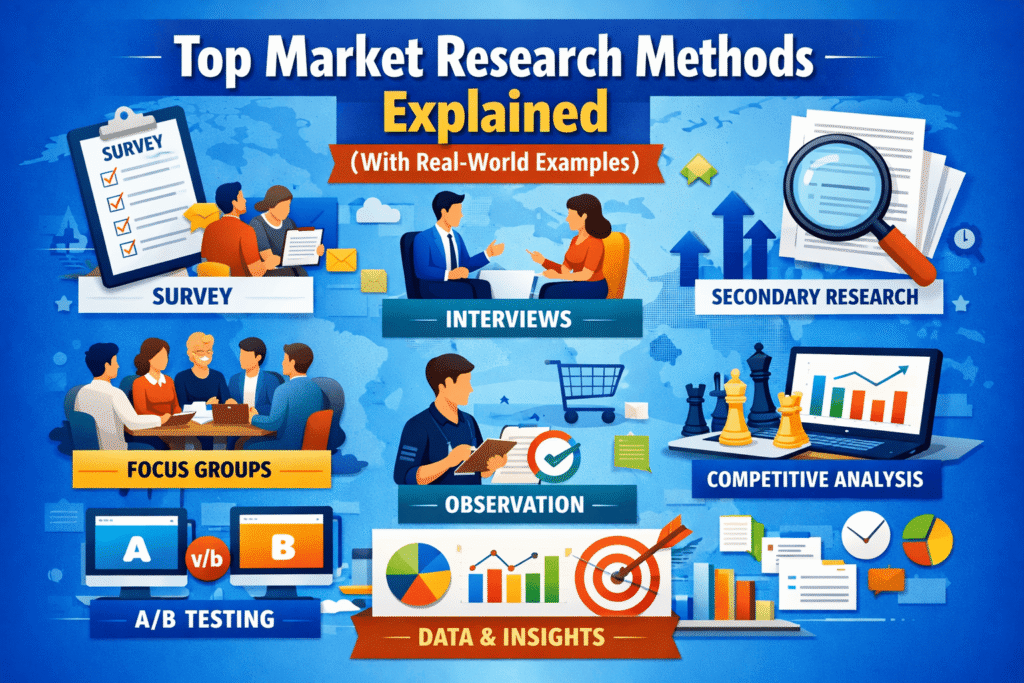
The foundation of any successful sales effort begins with genuinely understanding what your customers want and need. Too many businesses spend time guessing about customer motivations rather than asking directly. When you take time to listen to your audience through surveys, interviews, or feedback sessions, you gain invaluable insights into their pain points and desires. This information becomes the blueprint for everything from product development to marketing messaging. By aligning your sales pitch with actual customer needs instead of what you think they should want, you position yourself to close more deals and build stronger relationships. Customers can sense when a company truly understands them, and that authenticity builds trust and loyalty.
Refining Your Sales Pitch and Messaging
Your sales message is often the first real connection a prospect has with your value. If that message feels generic, overly complicated, or irrelevant to their specific situation, you’ve already lost the battle. The strongest sales pitches focus on outcomes and benefits rather than features alone. For example, instead of saying “our software has 50 integrations,” you might say “our software connects seamlessly with the tools you already use, cutting your setup time from days to hours.” This shift from feature-focused to benefit-focused language makes your offering feel immediately relevant and valuable. Test different versions of your pitch with real prospects and pay attention to which messages generate the most interest and engagement. Small refinements to your core message can dramatically improve conversion rates across all your sales channels.
Building a Stronger Sales Team and Process
Your sales team is the engine driving revenue growth, and their effectiveness depends heavily on clear processes and proper support. When salespeople lack a consistent methodology or don’t understand your product deeply, conversations with prospects become inefficient and inconsistent. Investing time in training, creating sales playbooks, and establishing clear pipelines gives your team the structure they need to succeed. A good sales process also means setting realistic expectations and timelines so prospects understand the next steps. Regular coaching and feedback help individual salespeople identify their strengths and areas for improvement. When your team operates from a playbook rather than flying by instinct, you create predictable, repeatable results that compound over time.
Leveraging Data and Analytics
Numbers tell a story that gut feelings simply cannot match. When you track metrics like conversion rates, average deal size, sales cycle length, and customer acquisition cost, you gain clarity about what’s working and what isn’t. Perhaps your sales team closes deals faster with a particular market segment, or maybe certain messaging resonates more strongly with specific industries. This data allows you to double down on what works and adjust or eliminate what doesn’t. Many businesses neglect to measure their sales efforts properly, leaving money on the table through inefficiency or missed opportunities. Even simple tracking in a spreadsheet beats guessing. As you gather more data, patterns emerge that guide smarter decisions about where to focus resources and energy.
Improving Your Customer Experience Throughout the Journey
Sales doesn’t end when someone makes a purchase. The customer experience after the sale significantly influences whether they become repeat buyers and refer others to you. When customers feel supported, valued, and satisfied with their purchase, they’re far more likely to increase their spending with you over time. This means setting clear expectations before the sale, delivering what you promised, and following up afterward to ensure satisfaction. Businesses that participate in trade shows, pop-up markets, or outdoor expos often rely on custom event tents to create a branded, welcoming environment that reinforces their commitment to professionalism and customer care at every touchpoint. Customers who feel genuinely cared for become advocates who recommend you to others, effectively becoming an extension of your sales efforts. Investing in onboarding, customer support, and relationship maintenance pays dividends in repeat business and referrals that cost far less to acquire than new customers.
Creating Urgency and Removing Friction
Sometimes boosting sales simply means making it easier and more compelling for prospects to say yes. Long, complicated buying processes frustrate customers and give them time to second-guess their decision. Streamline your sales funnel by reducing unnecessary steps and paperwork. Limited-time offers, special bonuses, or exclusive opportunities can create reasonable urgency that motivates faster decisions without feeling pushy or artificial. Remove obstacles that might prevent someone from completing a purchase, such as a slow website, confusing pricing, or inflexible payment options. The easier you make it for the right customer to buy from you, the more sales you’ll generate.
Conclusion
Boosting your sales requires a combination of strategy, customer focus, and execution discipline. By understanding your customers deeply, refining your messaging, supporting your sales team, tracking data, improving the customer experience, and removing friction from your buying process, you create multiple levers for growth. None of these strategies works in isolation, but together they build a sales approach that generates consistent, sustainable revenue increases. The path to higher sales isn’t mysterious or overly complicated. It’s about making intentional decisions based on what actually works, then continuously refining your approach as you learn more about your market and your customers.