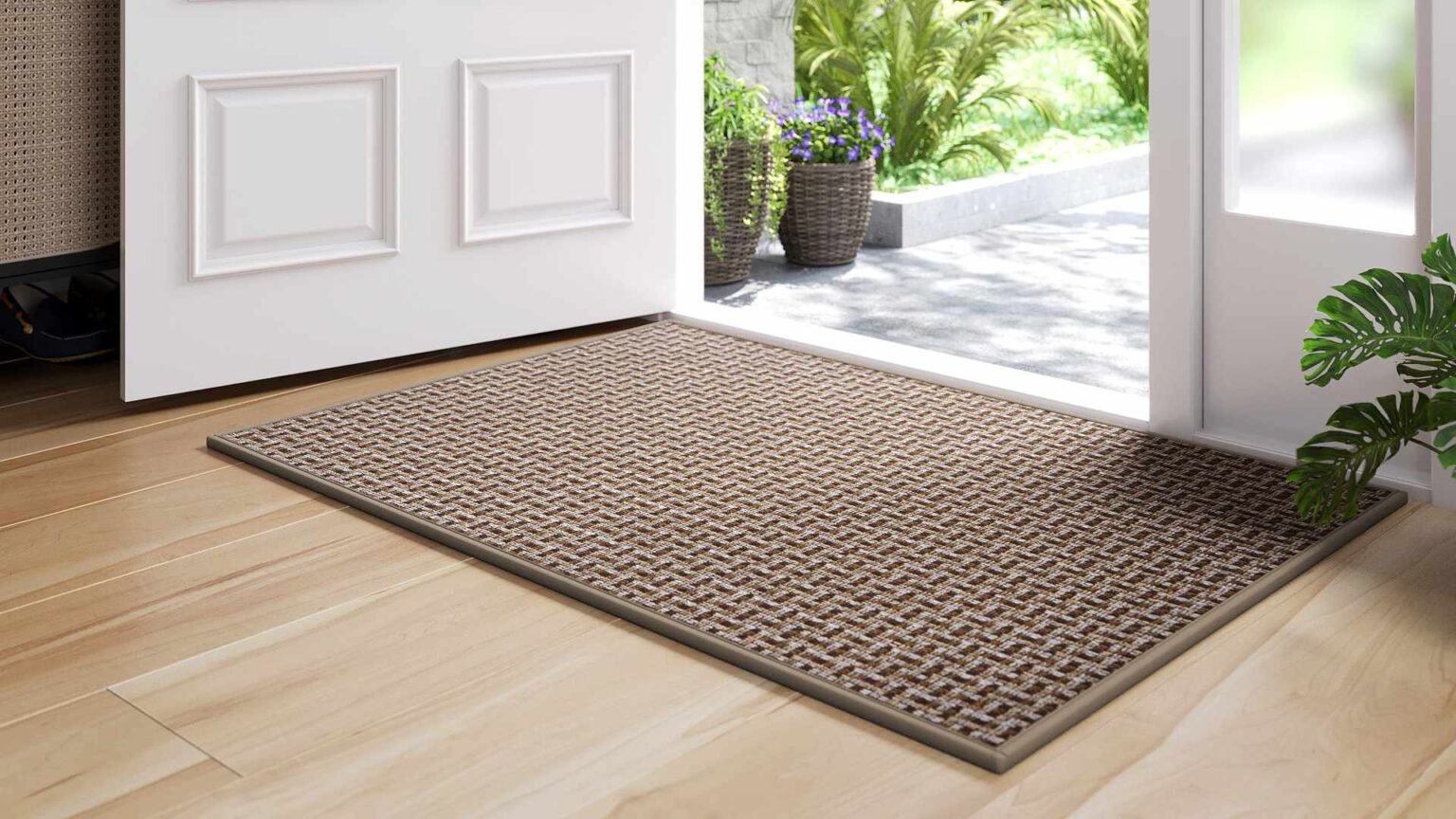
A good doormat catches a lot, and the entry still ends up gritty. Walk a few steps past the door in socks and you can feel it: fine sand on the tile, a dusting of soil along the baseboard, a pale line where yesterday’s rain dried. The mat did its job. The dirt simply kept moving, because shoes, paws, bags, and wheels carry it well beyond the first square foot.
The entryway is the most heavily trafficked and least glamorous part of most homes, and it takes the brunt of everything that comes from outside. Cleaning it well is less about scrubbing harder than about knowing where the dirt travels, what it does to each surface, and which parts of the setup are worth changing.
This article covers what shoes bring in, why grit damages floors, how to set up an entry that stops more of it, the order that cleans it properly, and what to hand to cleaning services when the weekly routine is too much.
What Shoes Actually Bring In
Soil is only part of it. A pair of shoes can carry mud, sand, crushed leaves, pollen, oils from asphalt, de-icing salt in winter, and traces of whatever was on the sidewalk, and most of it is loosened by the first few steps on a hard surface. The heaviest particles drop near the door. The finer ones travel with each footstep, settle on floors along the path, and get lifted into the air whenever someone walks through again.
Pets and bags add their own share. Paws collect wet soil and grass, and a backpack or sports bag set down near the door leaves a gritty ring on whatever it sat on. Strollers, bicycles, and delivery carts roll in the dirt from their wheels. That is why the mess rarely stays at the door, and why the floor ten feet inside is often dirtier than the mat.
Why Grit Does More Damage Than It Looks
Sand and soil particles are hard enough to scratch finishes when they are ground underfoot. On hardwood they wear down the protective coating in the walking path, which is why a dull strip from the door to the kitchen appears even in homes that are cleaned regularly. On tile they can scour grout and glaze, and on carpet they work down into the pile, where sharp edges cut fibers and make the area look flat and gray long before the rest of the room.
Moisture changes the picture. Wet dirt dries into a film that sticks to floors, and winter salt leaves a white residue that can cloud finishes and be tracked back out as powder. A mop used on a gritty floor pushes the particles around instead of removing them, so dry removal before any damp cleaning matters more here than in any other room.
Setting Up the Entry So Less Gets Past It
Mats are the simplest improvement, and two work better than one. A stiff outdoor mat scrapes the worst off the soles, and an absorbent indoor mat just inside the door picks up the moisture and fine dust the first one missed. The longer the matted run, the more steps a shoe takes on it, so a large mat beats a small decorative one. Shake mats out outdoors regularly, vacuum them, and wash them as the label directs, because a loaded mat stops working and starts shedding.
Check what lies under them. Rubber and vinyl backing can stain or mark some hardwood and vinyl finishes, particularly if moisture is trapped beneath, so choose a mat with a breathable backing where the floor is sensitive and lift it occasionally to let the floor dry. A boot tray with a raised edge keeps wet shoes from dripping onto the floor, and a bench with hooks and a shoe rack keeps bags and jackets off the ground, which also leaves the floor clear for cleaning. Many households find a shoes-off habit the single biggest change, since it keeps most grit at the door.
Cleaning the Entry in the Right Order
Begin with the mats and the things that hold dirt: shake out mats outdoors, empty and wipe the boot tray, and clear shoes and bags so the floor is visible. Work from the top down. Wipe door handles, light switches, and the lower part of the door and frame, where hands and bags leave marks, then clean glass panels and the baseboards nearest the door.
Then deal with the floor in two stages. Remove loose grit first, using a vacuum with a hard-floor setting or a soft broom, and take extra care along thresholds and the edges where dirt collects. Only then damp-mop with a product suited to the floor, wringing the mop well and changing the water often, since a dirty mop leaves a gritty film. Carpeted entries benefit from slow vacuuming and a second pass, because grit hides deep in the pile. Dry the area before shoes come back in.
Regular house cleaning at CJS Cleaning Solutions is described as dusting, vacuuming, mopping, sanitizing bathrooms, and making the kitchen shine, which covers the floors that carry the daily load but still leaves entry details, such as the boot tray and the door glass, worth mentioning when you set the list.
When the door sees constant traffic, keeping the entry clean can become a daily chore. That’s when homeowners may look for cleaning services chapel hill to help with recurring floor care, especially when dirt returns almost as quickly as it’s removed.
Seasonal Changes at the Door
The kind of dirt changes through the year, and so should the routine. Wet weather brings mud and moisture, which means mats need to be washed more often and the floor near the door dried promptly. In winter, salt and de-icing products leave white residue that is best removed with a damp mop and plain warm water, followed by drying, before it builds up into a haze. Spring brings pollen, which clings to mats and the soles of shoes, and summer brings sand, grass, and soil from outdoor play.
Use the changes as prompts: swap a worn mat before the wet season, bring out a boot tray when rain or snow starts, and give the entry a deeper clean at the end of each season, including baseboards, the door track, and the corner behind the door where dirt accumulates unseen.
How Often the Entry Needs Attention
A quick daily sweep of the entry takes less than a minute and prevents most of the buildup, with a damp wipe once or twice a week. When cleaning services visit, the entry is a good item to name on the list, along with the mats, the boot tray, and the door glass, since these are the details a standard routine can overlook.
Frequency is also where a recurring plan comes in. CJS Cleaning Solutions describes weekly service as best for busy homes and families with kids or pets, with bi-weekly offered as the balance for most homes, a split that tracks how quickly an entry fills up with grit.
The Door Is Where Cleanliness Is Won
Most of the dirt in a home arrives through one doorway, which makes the entry the best place to spend effort. Catch it with long, absorbent mats and a shoes-off habit, remove grit dry before anything damp, and adjust the routine as the seasons change. When the rest of the week is too busy to keep up, cleaning services can take over the floors, and the entry will stay cleaner if the setup keeps most of the dirt at the door in the first place.