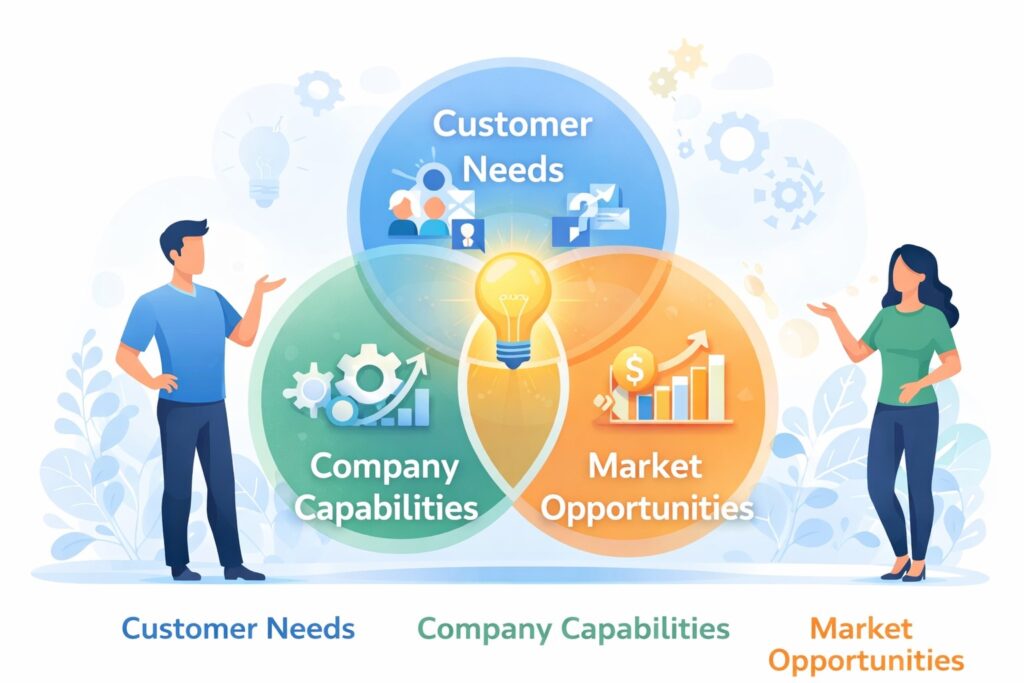
Development services, technology partnerships, and system integration becomes critical when aligned strategically, they create a powerful framework that enables businesses to innovate, scale, and operate efficiently.
Modern businesses no longer compete only on products or pricing — they compete on technology. From internal workflows to customer experience, technology determines speed, scalability, and long-term success.
Yet many organizations struggle with disconnected systems, slow development cycles, and short-term vendor relationships that fail to deliver sustainable results.
This guide explores how modern companies can leverage these three pillars to build scalable and future-ready operations.
The Growing Technology Challenge for Modern Businesses
In today’s digital economy, businesses rely on:
- Customer Relationship Management (CRM) systems
- Enterprise Resource Planning (ERP) software
- E-commerce platforms
- Mobile applications
- Cloud infrastructure
- Data analytics tools
However, many companies adopt these systems independently, without a unified strategy. The result?
- Data silos
- Manual processes
- Integration failures
- Security vulnerabilities
- Rising operational costs
Technology should simplify operations — not complicate them.
The solution lies in aligning custom development services, long-term technology partnerships, and structured system integration strategies.
What Are Development Services?
Development services refer to professional software engineering solutions provided by specialized teams or agencies. These services typically include:
- Custom software development
- Web application development
- Mobile app development
- Enterprise software solutions
- Cloud-native application development
- API development
Unlike off-the-shelf software, custom development focuses on building solutions tailored to a company’s unique operational needs.
When Businesses Need Development Services
Businesses should consider professional development services when:
- Existing tools cannot scale with growth
- Operational processes are inefficient
- Multiple systems need to communicate
- Security and compliance requirements increase
- Digital transformation becomes a priority
However, development alone is not enough.
Without integration and strategic alignment, custom solutions can still create fragmentation.
Understanding Technology Partnership Integration
Many organizations make the mistake of hiring vendors for short-term projects. But a vendor relationship is transactional.
A technology partnership is strategic.
A technology partner:
- Understands your business model
- Aligns with long-term goals
- Provides ongoing technical support
- Advises on architecture decisions
- Participates in strategic planning
When development services are delivered through a partnership model, businesses gain continuity, consistency, and accountability.
Vendor vs. Technology Partner
| Vendor | Technology Partner |
|---|---|
| Project-based | Long-term collaboration |
| Limited involvement | Strategic involvement |
| Task execution | Business-driven solutions |
| Short-term support | Continuous improvement |
For modern businesses, partnership integration ensures that technology decisions are aligned with business growth strategies.
The Role of System Integration in Business Success
System integration refers to connecting multiple software systems so they function as one unified ecosystem.
Examples include:
- Integrating CRM with marketing automation
- Connecting ERP with inventory management
- Linking payment gateways with accounting software
- Syncing e-commerce platforms with logistics systems
Without integration:
- Teams duplicate work
- Data becomes inconsistent
- Decision-making slows
- Customer experience suffers
Integration eliminates silos and creates operational clarity.
Why Development, Partnership & Integration Must Work Together
Treating these components separately creates inefficiencies:
- Development without integration leads to isolated systems
- Integration without strategy causes technical debt
- Partnerships without execution create delays
When combined effectively, businesses gain:
1. Scalability
Systems are designed to grow with demand.
2. Operational Efficiency
Automation reduces manual errors and saves time.
3. Data Consistency
Real-time synchronization improves decision-making.
4. Cost Optimization
Streamlined systems reduce redundant software expenses.
5. Competitive Advantage
Integrated digital ecosystems outperform fragmented competitors.
The synergy of these three pillars is what drives sustainable digital transformation.
Common Business Problems Technology Integration Solves
Modern companies frequently face:
Disconnected Departments
Sales, marketing, finance, and operations use different tools with no integration.
Legacy Systems
Outdated infrastructure prevents modernization.
Rapid Growth
Scaling too quickly without structured architecture leads to chaos.
Security Risks
Fragmented systems increase vulnerabilities.
Poor Customer Experience
Slow systems and inconsistent data impact service quality.
A unified development and partnership strategy addresses these issues holistically.
Proven Strategies for Successful Technology Partnership Integration
Now let’s focus on actionable solutions.
1. Conduct a Comprehensive Technology Audit
Before investing in new development:
- Assess current systems
- Identify integration gaps
- Evaluate performance bottlenecks
- Analyze data flow
This audit becomes the foundation of your digital roadmap.
2. Choose a Long-Term Technology Partner
Select partners who:
- Demonstrate industry experience
- Provide strategic consultation
- Offer scalable architecture planning
- Understand compliance requirements
The right partner reduces risk and accelerates innovation.
3. Adopt an API-First Development Approach
API-first development ensures systems are built for connectivity.
Benefits include:
- Easier third-party integration
- Faster feature expansion
- Reduced redevelopment costs
- Improved scalability
Modern businesses should prioritize modular architecture rather than monolithic systems.
4. Implement Cloud-Based Infrastructure
Cloud integration supports:
- Remote collaboration
- Real-time data access
- Automatic updates
- Scalable storage
Cloud-native systems improve agility and reduce infrastructure maintenance.
5. Align Technology with Business Objectives
Technology should support measurable goals such as:
- Revenue growth
- Market expansion
- Cost reduction
- Customer retention
Development decisions must be business-driven — not trend-driven.
6. Focus on Security & Compliance Integration
Data privacy regulations and cybersecurity threats continue to increase.
A strategic integration model includes:
- Encrypted data transmission
- Secure API gateways
- Access control management
- Compliance with industry standards
Security should be embedded from the development phase.
Industries That Benefit Most from Technology Partnership Integration
While all sectors require digital infrastructure, certain industries gain significant advantages:
E-Commerce
Real-time inventory syncing and payment integration improve conversion rates.
Healthcare
Integrated patient data systems enhance care coordination.
Financial Services
Secure transaction systems and compliance management are critical.
Logistics
Connected tracking systems improve supply chain transparency.
SaaS Companies
Scalable cloud architecture supports user growth.
Each of these industries relies heavily on interconnected digital ecosystems.
Measuring the Success of Integration Strategy
To ensure results, businesses should track:
- System uptime
- Data accuracy rates
- Operational cost savings
- Deployment speed
- Customer satisfaction metrics
Technology should produce measurable performance improvements.
If not, the strategy requires reevaluation.
The Future of Development & Technology Partnerships
Emerging trends shaping the future include:
- AI-driven automation
- Microservices architecture
- Low-code and no-code integration
- Edge computing
- Data-driven decision frameworks
Organizations that build flexible integration strategies today will adapt more easily tomorrow.
The future belongs to companies that treat technology as a strategic asset — not an operational afterthought.
Final Thoughts
Modern businesses cannot afford fragmented digital systems or short-term vendor relationships.
Development services provide customization.
Technology partnerships provide strategy and continuity.
System integration provides operational unity.
When combined, they create a resilient, scalable, and future-ready business infrastructure.
Organizations that embrace this integrated approach experience:
- Faster innovation
- Reduced operational inefficiencies
- Stronger security posture
- Improved customer experience
- Sustainable long-term growth
In an increasingly competitive marketplace, technology is not just support — it is the foundation of modern business success.
Technology partnership integration is a strategic approach where businesses collaborate with development experts to build and connect scalable digital systems.
System integration eliminates data silos, improves workflow efficiency, and enables real-time decision-making.
Development services create customized solutions that align with business goals and enable scalable digital operations.