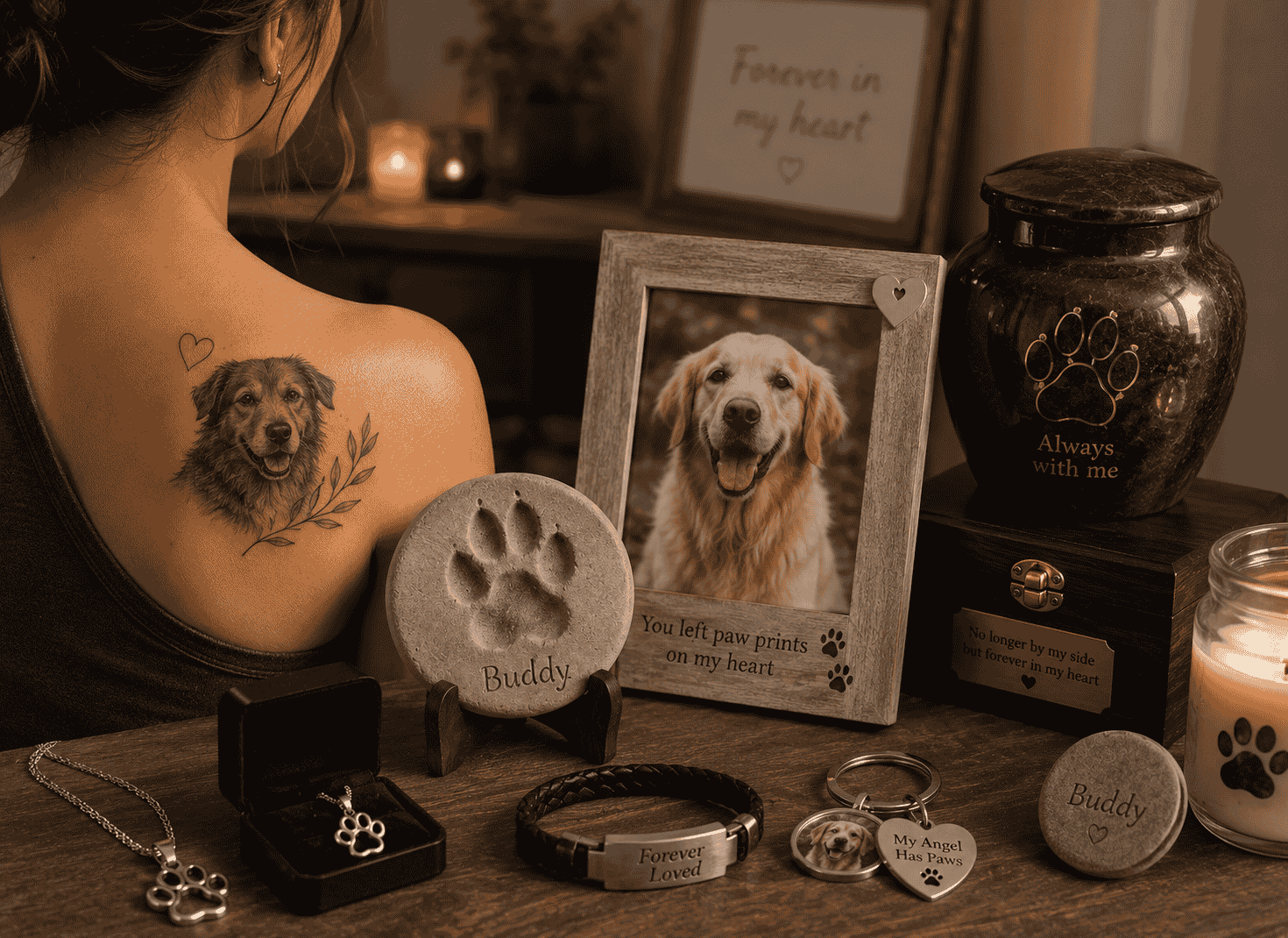
The loss of a pet can leave an emptiness that traditional sympathy cards and condolences fail to address. As companion animals become integral family members, the grieving process has evolved beyond simple backyard burials. Today’s pet owners seek meaningful, lasting tributes that reflect the profound bond they shared with their animals. From permanent ink etched into skin to tangible keepsakes containing physical remains, modern memorial practices offer diverse pathways through grief that earlier generations never considered.
Understanding the Emotional Impact of Losing a Beloved Pet Companion
The loss of a pet often triggers grief as profound as losing a human family member, yet society frequently minimizes this pain. Pet owners experience genuine bereavement, including symptoms of depression, anxiety, and disrupted daily routines. The bond between humans and their animal companions involves deep emotional attachment, daily rituals, and unconditional love that spans years or decades.
Research confirms that pet loss activates the same neurological grief responses as human loss. Owners may face additional isolation when colleagues, friends, or family members dismiss their mourning as excessive. This disenfranchised grief complicates the healing process, leaving bereaved pet owners without adequate support systems.
Acknowledging this emotional impact validates the significance of the human-animal bond and justifies meaningful memorialization practices that honor deceased pets appropriately.
Why Modern Pet Memorials Are Becoming More Personalized and Meaningful
Increasingly, pet owners reject generic memorial options in favor of customized tributes that capture their companion’s unique personality and spirit. This shift reflects changing attitudes toward pets as family members rather than mere animals.
Modern technology enables unprecedented personalization, from digital portraits incorporating actual pet ashes to jewelry containing fur or whisker keepsakes.
Social media has amplified this trend, creating communities where people share memorial ideas and validate grief experiences. The pet memorial industry has responded with innovative options including custom glass art, memorial gardens, and even vinyl records pressed with ashes.
These personalized approaches help owners process loss while celebrating their pet’s individual quirks, habits, and the irreplaceable bond they shared. Unlike mass-produced memorial items, customized tributes provide tangible connections to cherished memories.
The Role of Rituals and Memory Practices in Coping With Pet Loss
Grief demands expression, and structured rituals provide pet owners with concrete ways to channel their emotional pain into meaningful action. Memorial ceremonies, whether private or shared with family, create closure and acknowledgment of loss.
Lighting candles on anniversary dates, planting memorial gardens, or holding annual remembrance gatherings help maintain connection while processing grief. Memory practices extend beyond formal rituals. Creating photo albums, writing tribute letters, or sharing stories with other pet owners validates the relationship’s significance.
These activities transform abstract sorrow into tangible remembrance, making the grieving process more manageable. Psychologists recognize that rituals reduce anxiety and provide structure during emotional chaos. For pet loss specifically, they legitimize grief that society sometimes dismisses.
How a Grief Tattoo Can Serve as a Lasting Symbol of Love and Connection
Permanent ink transforms private sorrow into visible remembrance, offering pet owners a physical manifestation of bonds that transcend death. Grief tattoos serve multiple psychological functions: they validate the significance of pet relationships, provide tangible comfort during difficult moments, and create conversation opportunities with others who understand companion animal loss.
Common designs include paw prints, portrait silhouettes, memorial dates, or meaningful symbols representing a pet’s unique personality. Some individuals incorporate ashes into specialized tattoo ink, literally carrying their companion within their skin. The permanence mirrors the enduring nature of love itself—unchanging despite physical absence.
The placement often holds significance. Wrists, forearms, and areas near the heart allow frequent viewing, offering daily connection points. This visible commitment to memory can accelerate healing by acknowledging grief’s legitimacy within a society still learning to recognize pet bereavement.
Creating a Dog Ashes Keepsake to Preserve a Physical Reminder of a Pet
When traditional burial or scattering feels insufficient, cremation jewelry and dog ashes keepsake offer pet owners a tangible way to maintain physical proximity to their companions. These items incorporate small portions of cremated remains into wearable pieces or decorative objects, allowing owners to keep their pets close.
Popular options include pendant necklaces with internal compartments, rings containing compressed ashes, and glass art pieces where ashes become part of the design. Some artisans create custom sculptures or ornaments that blend ashes into resin or blown glass, producing unique memorial pieces.
The keepsakes serve dual purposes: providing comfort through physical presence while creating conversation pieces that celebrate the pet’s life.
Unlike photographs or digital memories, these objects offer a direct physical connection that many grieving owners find irreplaceable during their healing process.
Memorial Jewelry, Artwork, and Creative Tributes That Celebrate a Pet’s Life
Beyond physical remains, commemorative pieces transform a pet’s unique characteristics into lasting artistic expressions.
Memorial jewelry incorporates paw prints, nose imprints, or fur into pendants, rings, and bracelets. Some artisans create glass sculptures infused with cremation ashes, producing colorful keepsakes that catch light beautifully.
Custom portraits capture a pet’s personality through various mediums—oil paintings, digital art, or sculptures. Pet owners commission realistic renderings or stylized interpretations that reflect their animal’s spirit.
Photography collages and shadow boxes display favorite toys, collars, and photographs together. Creative tributes extend to garden stones, wind chimes, and memorial benches placed in meaningful locations.
Donation-based memorials establish scholarships at veterinary schools or fund animal rescue organizations in a pet’s name, creating legacies that help other animals while honoring beloved companions.
Digital Memorials and Online Spaces for Honoring Lost Animal Companions
The digital age has opened new avenues for commemorating pets through online memorial platforms and virtual spaces. Dedicated websites allow pet owners to create lasting tributes with photos, videos, and written memories that friends and family can access indefinitely.
Social media memorial pages provide communal spaces where multiple people can share stories and condolences, fostering connection during grief.
Virtual pet cemeteries offer digital plots where owners can light candles, leave messages, and visit their companion’s memorial anytime. Some platforms include grief support forums where bereaved pet owners connect with others experiencing similar loss.
Mobile apps enable users to maintain photo galleries, record voice memories, and set remembrance notifications. These digital spaces provide permanent, accessible ways to honor pets while building supportive communities around pet loss.
Supporting Emotional Healing Through Community, Family, and Shared Grief
Grieving the loss of a pet becomes more manageable when individuals allow themselves to lean on supportive networks rather than processing emotions in isolation. Pet loss support groups, both in-person and virtual, connect bereaved owners with others who understand the depth of animal companionship. These communities validate feelings that non-pet owners might dismiss as disproportionate.
Family members who shared the pet’s life can participate in collective remembrance rituals, from creating memory books to planting memorial gardens together. Children especially benefit from guided conversations that normalize grief while celebrating the pet’s impact on their lives.
Professional grief counselors specializing in pet loss offer therapeutic frameworks for traversing complex emotions. Some veterinary clinics now provide bereavement resources, recognizing that acknowledging loss strengthens the human-animal bond’s significance even after death.
Emerging Trends in Pet Remembrance Focused on Legacy, Comfort, and Continuity
Contemporary pet memorialization has evolved from traditional urns and photographs into innovative practices that emphasize ongoing connection rather than finality.
Digital memorial platforms now allow pet owners to create lasting online tributes, complete with photo galleries, video compilations, and story archives accessible to family members indefinitely.
Customized jewelry incorporating pet ashes or fur has gained popularity, enabling guardians to maintain physical proximity to their companions. Memorial gardens featuring planted trees or perennial flowers provide living tributes that grow and change seasonally.
Some owners commission portrait artists to capture their pet’s likeness in oil paintings or sculptures, transforming memories into heirloom-quality art. Charitable donations made in a pet’s name extend their legacy through supporting animal welfare organizations, rescue operations, or veterinary research initiatives that benefit future generations.