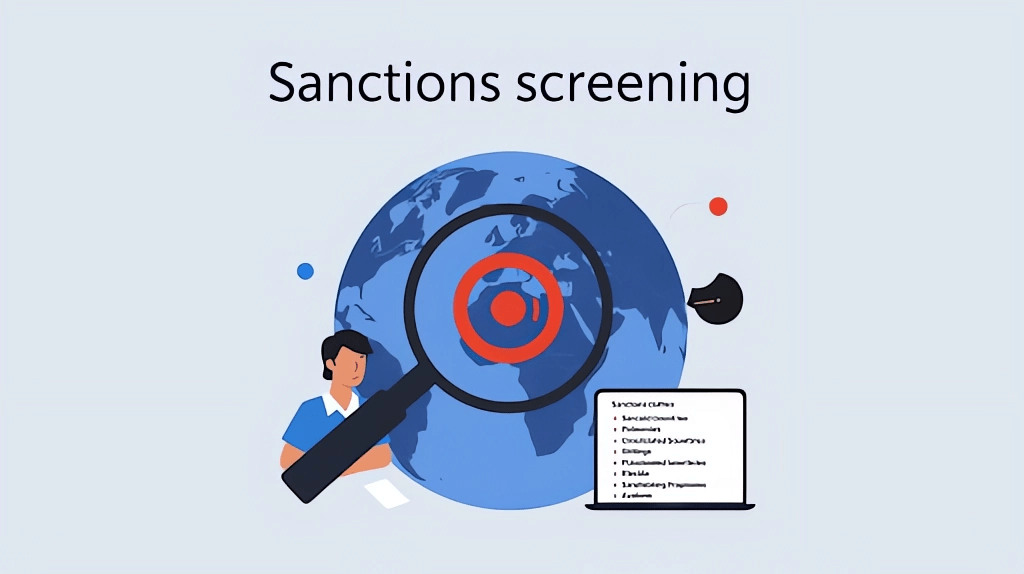
Financial institutions and regulated businesses rely on Sanctions Screening to identify individuals, organizations, and entities that may appear on global watchlists. While screening is essential for regulatory compliance, one of the most common challenges compliance teams face is managing false positives.
A false positive occurs when a legitimate customer or transaction is incorrectly flagged as a potential match to a sanctions list. These unnecessary alerts can overwhelm compliance teams, delay customer onboarding, increase operational costs, and create inefficiencies across the organization. As sanctions regulations continue to evolve, reducing false positives has become a key priority for organizations seeking both compliance and operational excellence.
Why False Positives Occur in Screening Processes
Several factors contribute to excessive alerts during screening activities. Name similarities are among the most common causes. Many individuals share common names, making it difficult for traditional systems to distinguish between legitimate customers and sanctioned entities.
Data quality issues can also increase alert volumes. Incomplete customer records, missing identifiers, and inconsistent formatting often prevent accurate matching. Additionally, outdated screening systems may rely on rigid matching rules that generate unnecessary alerts without considering contextual information.
The growing complexity of international sanctions programs further complicates the screening process. Organizations must monitor multiple sanctions lists, including the OFAC Sanctions List, while also considering regional and international regulatory requirements.
Strategies to Reduce False Positives
Organizations can significantly improve screening efficiency by implementing a combination of technology, data management, and risk-based practices.
- Improve customer data quality through standardized data collection processes.
- Use advanced matching algorithms that evaluate multiple customer attributes.
- Apply risk-based screening thresholds based on customer profiles.
- Regularly tune and optimize screening rules to reflect changing risks.
- Conduct periodic reviews of alert outcomes to identify recurring patterns.
When these practices are implemented consistently, organizations can reduce unnecessary alerts without compromising compliance obligations.
The Role of Advanced Screening Technology
Modern sanctions screening tools have evolved beyond simple name matching. Today’s solutions incorporate intelligent matching capabilities, machine learning models, and contextual analysis to improve accuracy.
Advanced systems evaluate additional data points such as date of birth, nationality, address information, and identification numbers. By considering multiple attributes rather than relying solely on name matches, organizations can better distinguish between genuine risks and harmless similarities.
Many compliance teams are also investing in automation to streamline alert management. Automated workflows help prioritize high-risk matches and reduce the time spent reviewing low-risk alerts. This approach allows analysts to focus on cases that require deeper investigation.
Managing Risks Related to Secondary Sanctions
In addition to direct sanctions exposure, organizations must be aware of Secondary Sanctions, which can apply to entities conducting business with sanctioned parties even if they are not directly listed themselves.
The expanding scope of international sanctions programs has increased the importance of comprehensive screening controls. Businesses operating across multiple jurisdictions need visibility into ownership structures, business relationships, and cross-border transactions.
Reducing false positives becomes especially important in this environment. Compliance teams burdened with excessive alerts may struggle to identify genuine risks associated with indirect sanctions exposure. Efficient screening processes help ensure that critical alerts receive the attention they deserve.
Enhancing AML Compliance Through Better Screening Practices
Effective AML Sanctions Screening is not simply about generating alerts. The goal is to identify legitimate risks while maintaining operational efficiency.
Organizations that continuously evaluate their screening programs often achieve better outcomes. This includes reviewing alert trends, monitoring system performance, and adapting controls to reflect emerging regulatory expectations.
A well-designed screening framework should balance compliance requirements with practical business needs. Excessive alerts can slow customer onboarding and transaction processing, while insufficient controls can expose organizations to regulatory penalties. Finding the right balance is essential for long-term success.
Conclusion
Reducing false positives in Sanctions Screening requires a combination of accurate data, intelligent technology, and ongoing optimization. As regulatory expectations continue to evolve, organizations must ensure their screening programs remain effective and efficient.
By leveraging advanced sanctions screening tools, improving data quality, and adopting risk-based approaches, compliance teams can significantly reduce unnecessary alerts while strengthening their overall compliance posture. Whether screening against the OFAC Sanctions List or monitoring risks associated with Secondary Sanctions, a modern and well-tuned screening program helps organizations focus on genuine threats rather than administrative burden.
Ultimately, effective AML Sanctions Screening enables businesses to protect themselves from regulatory risk, improve operational performance, and build stronger compliance frameworks for the future.