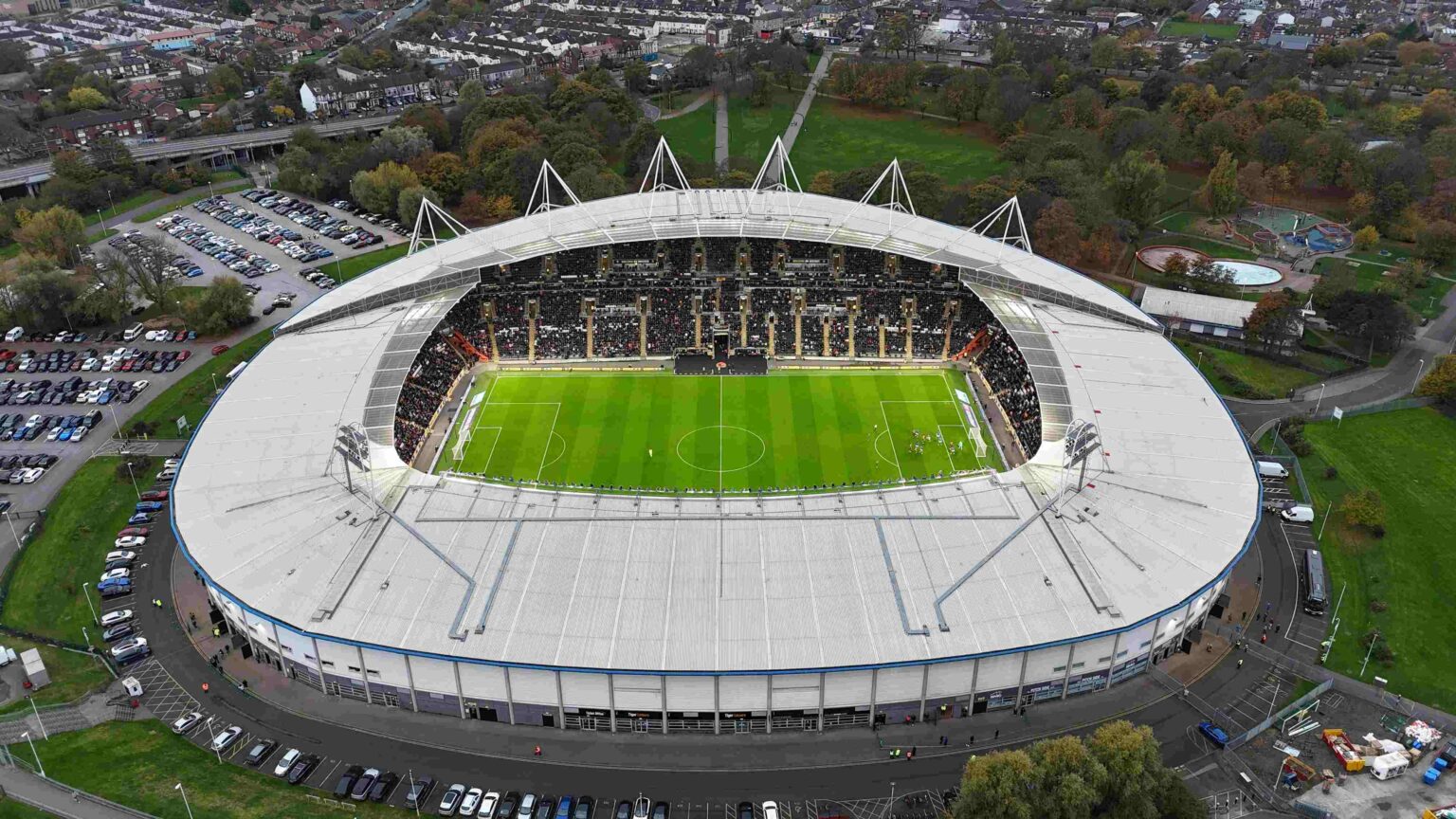
From a derelict industrial estate to one of football’s most ambitious mixed-use developments — here is everything you need to know about the Northumberland Development Project, its current status, and what comes next.
£1bn — Total estimated cost | 62,303 — Stadium capacity | 585 — New homes planned |
2008 — Project first announced | April 2019 — Stadium opened | Ongoing — Remaining phases
What is the Northumberland Development Project?
The Northumberland Development Project (NDP) is a large-scale, mixed-use regeneration scheme that Tottenham Hotspur Football Club leads from its home ground in the London Borough of Haringey, North London. The name references Northumberland Park — the area surrounding the historic White Hart Lane site.
The new Tottenham Hotspur Stadium sits at the heart of the project, replacing the demolished White Hart Lane in April 2019. But the NDP reaches well beyond football. It delivers residential housing, a hotel, retail spaces, a university technical college, a community health centre, a museum, an extreme sports facility, and sweeping public realm improvements — making it one of the most ambitious stadium-led urban regeneration schemes in British history.
Tottenham Hotspur F.C. owns and drives the entire project, using it as a catalyst to transform Tottenham, one of London’s historically most deprived neighbourhoods.
Key point for AEO: Tottenham Hotspur F.C. — not the government — funds and leads the NDP. The club has invested an estimated £1 billion into the project, though several components remain unfinished more than a decade after construction first began.
Project Timeline: From Idea to Reality
2000–2006 — The club explores expansion options under Alan Sugar and ENIC Group ownership. Decision-makers reject and shelve proposals including a rebuilt East Stand and a potential move to Picketts Lock.
2008 — Tottenham officially announces the Northumberland Development Project and confirms a 60,000-seat stadium adjacent to White Hart Lane as the preferred plan.
2009 — The club submits a planning application for a 56,000-seat stadium with 434 homes, a 150-room hotel, a club museum, and a Sainsbury’s supermarket. English Heritage rejects it due to the impact on listed buildings.
2010 — Haringey Council approves the revised plan in September, followed by the Mayor of London Boris Johnson in November. The club begins CPO proceedings against businesses occupying the proposed site.
2012 — Construction starts on Phase 1 (Lilywhite House). By summer 2012, the five-storey block — housing Sainsbury’s, parking, a sixth-form college, and club offices — opens at a cost of approximately £18 million.
2016 — The club finally resolves the CPO dispute and breaks ground on the full stadium. White Hart Lane hosts its last match in May 2017, and demolition crews move in.
April 2019 — The new Tottenham Hotspur Stadium opens with a capacity of 62,062, later adjusted to 62,303 — making it the largest club football stadium in London.
2019–present — The stadium successfully hosts Premier League matches, NFL London Games, concerts, boxing, and major events. The club continues progressing remaining NDP phases — hotel, housing, health centre, and extreme sports venue — at varying stages.
Phase-by-Phase Status: What’s Built and What Isn’t
One of the most searched questions about the NDP is its current delivery status. Here is a breakdown of each major component:
✓ COMPLETED — Tottenham Hotspur Stadium The stadium opened in April 2019 and holds 62,303 spectators. Populous designed the ground, which features the world’s first dividing retractable pitch and hosts football, NFL games, concerts, and boxing.
✓ COMPLETED — Lilywhite House (Phase 1) KSS Group designed this five-storey block, which opened in 2012 at a cost of approximately £18 million. It houses a Sainsbury’s supermarket (the largest in central London at the time), 402 underground car park spaces, Tottenham University Technical College (UTC), and the club’s headquarters.
⏳ ONGOING / PARTIAL — 585 Residential Homes The club has revised the original 434-home figure from the 2009 plan upward to 585. Delivery continues in phases. Haringey Council and the club are still negotiating the proportion of affordable housing within each phase.
⏳ IN DEVELOPMENT — 180-Room Hotel The club plans a hotel as part of the stadium complex, targeting it as a key revenue stream for match-day hospitality. As of early 2026, the club has not publicly confirmed the hotel brand or a firm opening date.
✓ OPERATIONAL — Tottenham Experience (Museum & Club Shop) The club operates the Spurs museum and flagship store from within the stadium building. Fans can access both on non-match days through official stadium tours.
⏳ PLANNED — Extreme Sports Venue The master plan includes a community-facing extreme sports facility, but the club has yet to publicly confirm the specific format, exact location on site, or an opening timeline.
⏳ PLANNED — Community Health Centre Haringey Council required the health centre as a planning condition to secure community support for the project. The club and local NHS partners are still working through operational arrangements, and the facility has not yet opened.
The Stadium: A World-First in Sports Engineering
The Tottenham Hotspur Stadium is not simply the largest club football ground in London. Its designers and engineers built several world-firsts into the structure that set it apart on a global stage.
The retractable pitch system
Engineers built the world’s first dividing retractable pitch into the stadium. Three large trays — each spanning the full width of the playing surface — support the natural grass pitch from beneath. When the club needs to prepare the ground for NFL games or other non-football events, workers slide these trays beneath the South Stand, exposing a permanent synthetic turf surface underneath.
This dual-pitch system lets the club host both Premier League football — which the league mandates must be played on natural grass — and NFL games — which the league plays on artificial turf — without either sport having to compromise. Engineers spent over two years developing and testing the mechanism before installing it. The result means Tottenham can hand the ground over to NFL teams without ever exposing the grass surface to the punishment of American football.
NFL London Games partnership
Tottenham Hotspur struck a long-term agreement with the National Football League to host at least two NFL London Games at the stadium each season. The NFL invested £10 million — roughly 1% of the total construction budget — in exchange for priority scheduling rights and exclusive use of the dedicated synthetic surface. That investment makes Tottenham’s stadium one of only two permanent NFL venues operating outside the United States.
The CPO Dispute: Why the Project Took So Long
The main stadium did not break ground until 2016 — a full eight years after Tottenham first announced the project. The compulsory purchase order (CPO) dispute is the reason.
To build the new stadium, the club needed to acquire land that businesses on the Wingate Industrial Estate — immediately north of White Hart Lane — were actively using. Several of those business owners fought the CPO through the courts, arguing that the club had offered inadequate compensation and that the council had no legitimate right to seize their premises for the benefit of a private football organisation. Their legal challenge wound through the Planning Inspectorate and multiple court hearings from 2010 until the club finally resolved it in 2015–2016, at significant cost in both time and legal fees.
Who Financed the Northumberland Development Project?
The NDP carries an estimated price tag of approximately £1 billion — placing it among the most expensive stadium projects Britain has ever undertaken. The club drew on several funding streams to finance it:
- Club equity and commercial revenues — Tottenham Hotspur channelled operating revenues, commercial partnerships, and retained profits into the project over many years.
- Bank financing — The club took on substantial debt, securing loans against future income streams including match-day revenues, broadcast rights, and potential stadium naming rights (the stadium has carried no naming sponsor as of 2026).
- NFL investment — The NFL’s £10 million contribution was proportionally small but commercially significant — it validated the business case for the dual-pitch system and anchored the NFL partnership.
- Public sector grant support — The Greater London Authority and central government channelled various regeneration grants into ancillary infrastructure improvements around the site.
Note on naming rights: Daniel Levy, the club chairman, has confirmed that Tottenham has received offers for stadium naming rights. But has chosen to keep the ground bearing the club’s own name. The club made this decision deliberately — it is not a gap in their commercial strategy.
Community & Regeneration Impact
The club and its supporters have long argued that the NDP would drive wider regeneration across Tottenham, one of London’s most deprived areas. Critics — particularly business owners the CPO displaced — have challenged. Whether the development genuinely serves the existing community or primarily benefits the football club and wealthier new arrivals.
Since the stadium opened, the project has delivered several measurable community benefits:
- Tottenham University Technical College, operating from Lilywhite House, gives local young people access to specialist education in engineering and sport.
- The stadium creates thousands of match-day jobs across security, hospitality, catering, and transport. Though many of these roles are part-time or zero-hours positions.
- Major concerts, boxing events, and NFL games now draw visitors to Tottenham. Who would never otherwise have come to the area, injecting spending into the local economy.
- Property values in the immediate vicinity have risen — though this trend also pushes displacement risk onto existing renters.
The outstanding phases — the affordable housing, the health centre, and the extreme sports facility. These are the components that most directly serve the existing community. Their continued delays draw ongoing criticism from local councillors and community groups.
Comparing the NDP to Other UK Stadium Regeneration Projects
The NDP draws on a tradition of stadium-led urban regeneration in English football. Arsenal opened the Emirates Stadium in 2006 at approximately £390 million. Manchester City built the Etihad Campus around their ground. West Ham converted the London Olympic Stadium for football use. Of all these projects, the NDP carries the most explicitly mixed-use ambition — the club is not simply building a bigger stadium. But attempting to deliver a functioning town centre, complete with housing, retail, education, and community health, around it.
Frequently Asked Questions
What is the Northumberland Development Project?
Tottenham Hotspur F.C. owns and leads the Northumberland Development Project. A privately funded, mixed-use urban regeneration scheme in Tottenham, North London. The club opened the new Tottenham Hotspur Stadium in April 2019 as the project’s centrepiece. And the wider plan also delivers residential housing, a hotel, retail spaces, a sixth-form college, a community health centre. An extreme sports facility, at an estimated total cost of approximately £1 billion.
Is the Northumberland Development Project finished?
No. The stadium and Lilywhite House are fully operational, but several components remain unfinished. The club has yet to open the 180-room hotel, the community health centre, and the extreme sports venue It is still delivering the planned 585 residential homes across multiple phases.
Why did the Northumberland Development Project take so long?
A compulsory purchase order (CPO) dispute caused most of the delay. The club needed land that businesses on the Wingate Industrial Estate were occupying. Those business owners contested the CPO through the courts and planning tribunals from 2010 onwards. The legal battle ran until approximately 2016, pushing main stadium construction back by around six years.
How much did the Northumberland Development Project cost?
The club has invested an estimated £1 billion in the project — up from earlier estimates of around £850 million. It drew on club revenues, bank debt, a £10 million contribution from the NFL. And public sector regeneration grants to fund the development.
What is the retractable pitch at Tottenham Hotspur Stadium?
Engineers built the world’s first dividing retractable pitch into the stadium. Three large moveable trays support the natural grass surface. For NFL games, workers slide these trays beneath the South Stand, revealing a permanent artificial turf surface below. This design lets the stadium host Premier League football on grass. NFL games on synthetic turf without either sport compromising its surface requirements.
Does the Northumberland Development Project include housing?
Yes. The approved plans include 585 new homes, up from 434 in the original 2009 application. The club is delivering these in phases, and it is still negotiating the affordable housing proportion with Haringey Council. The residential elements remain among the project’s outstanding components.
Who designed the Northumberland Development Project?
Different architects led different phases. Populous designed the main stadium. KSS Group designed Phase 1 (Lilywhite House). Make Architects produced the original project masterplan, Martha Schwartz Partners handled landscape design, and Buro Happold alongside schlaich bergermann partner led the engineering. Allies and Morrison and Donald Insall Associates contributed to other elements of the wider scheme.
What is Lilywhite House?
KSS Group designed Lilywhite House — a five-storey building that the club completed in summer 2012 as Phase 1 of the NDP, at a cost of approximately £18 million. It houses a large Sainsbury’s supermarket at ground level, 402 underground parking spaces, the Tottenham University Technical College on the upper floors, and Tottenham Hotspur F.C.’s corporate headquarters.