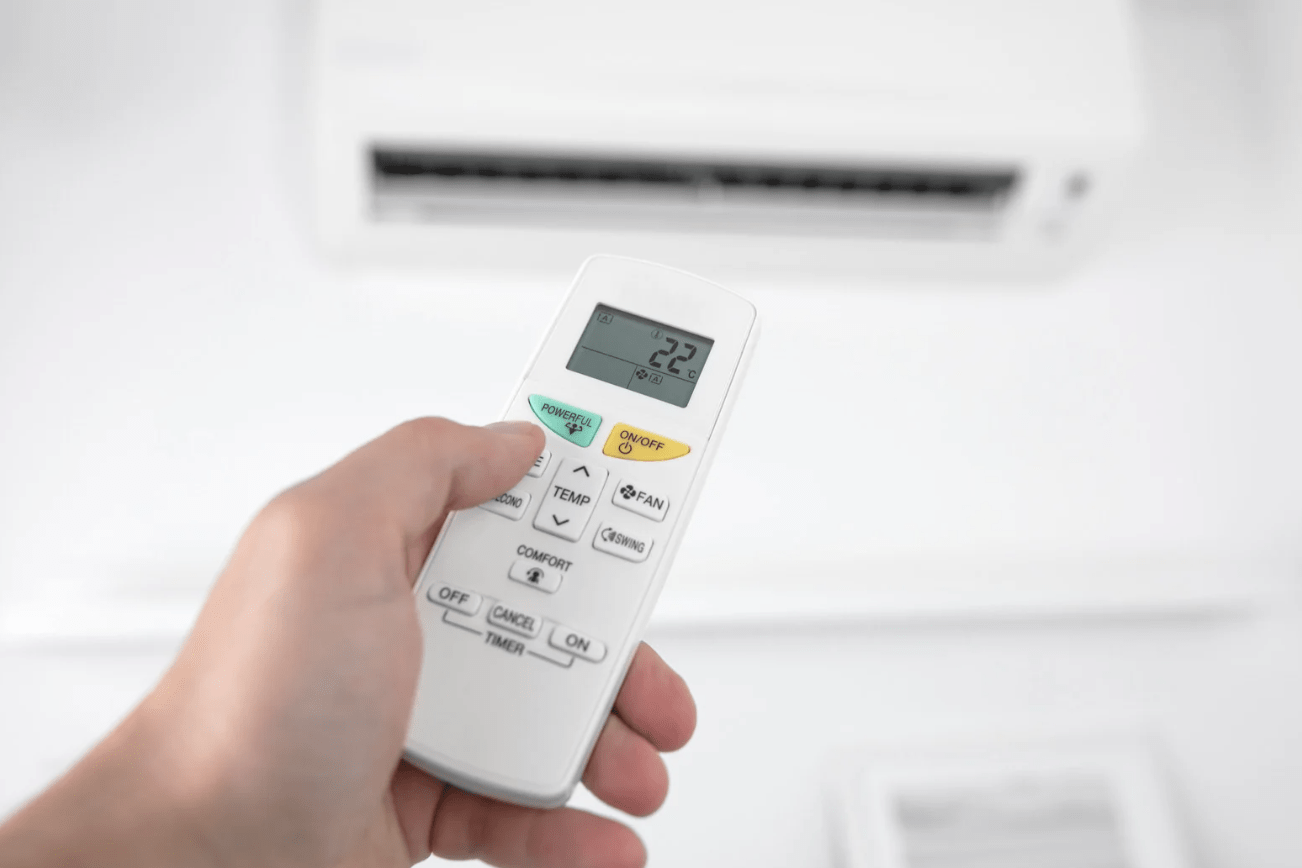
An AC that runs without cooling has one of five problems: a dirty filter, low refrigerant from a leak, frozen evaporator coils, a failing capacitor, or a malfunctioning thermostat. Parker, CO sits at approximately 5,869 feet elevation, which means AC units work harder during summer months when afternoon temperatures reach the upper 90s. Diagnosing the root cause before calling for service saves time and often reduces the repair bill.
An air conditioner that runs continuously without dropping the indoor temperature is not broken in the dramatic sense. It is performing part of its job while failing at the most important part. The blower motor runs, air moves through the vents, but the temperature does not fall. This specific symptom points toward a defined set of causes, and working through them in order identifies the problem without guesswork.
AC Repair Parker CO professionals at TempTrust Colorado serve homeowners who are dealing with exactly this situation. Parker’s climate brings hot, dry summers with afternoon heat that peaks between July and August, placing maximum demand on residential cooling systems precisely when component failures are most likely to surface.
Check the Air Filter First
A clogged air filter is responsible for more AC performance complaints than any other single cause. The filter sits between the return air duct and the air handler. When it fills with dust and debris, it restricts airflow across the evaporator coil. Without adequate airflow, the coil cannot absorb heat from the indoor air, and the system circulates air without meaningfully cooling it.
Pull the filter out and hold it up to a light source. A filter that blocks light is restricting airflow and should be replaced immediately. A MERV 13 filter on a system designed for MERV 8 creates the same restriction problem even when new, because its finer media generates more resistance than the system can overcome.
Replace the filter, restart the system, and give it 20 to 30 minutes to respond. If the temperature begins dropping normally, the filter was the problem.
In Parker, during a July afternoon, that efficiency gap means the difference between reaching the setpoint and running continuously without getting there.
What Happens When Refrigerant Is Low
Refrigerant does not deplete through normal operation. If the system is low on refrigerant, a leak exists somewhere in the refrigerant circuit. The leak may be at a fitting, at a valve core, or at a pinhole in the coil or line set. A system with a slow refrigerant leak cools adequately at first and gradually loses cooling capacity as the refrigerant level drops.
Signs pointing toward low refrigerant include ice forming on the refrigerant lines or on the outdoor unit, a hissing or bubbling sound from the indoor unit, and longer run cycles that never quite reach the thermostat setpoint. These symptoms appear together in most refrigerant leak cases.
The EPA requires technicians who purchase and handle refrigerants to hold Section 608 certification. This is not a repair a homeowner can complete. A certified technician finds and repairs the leak first, then recharges the system. Adding refrigerant without repairing the leak is a temporary fix that requires repeat service.
Frozen Coils and What Causes Them
When airflow across the evaporator coil is restricted, or when refrigerant levels fall below a threshold, the coil surface temperature drops below freezing, and ice forms on the coil itself. A frozen coil blocks airflow entirely, which is why a system with frozen coils blows air that is not cold at all.
Turn the system off and set the fan to run-only mode. This allows the ice to melt over 30 to 60 minutes without the compressor running. After the ice melts, check the filter first. If the filter was clean, the frozen coil indicates a refrigerant issue that requires a technician.
A homeowner on a Parker neighborhood forum described this situation in summer 2024: “Our AC ran all night, and the house was 82 degrees by morning. Found out the coils were frozen solid. Turned it off, let it thaw, changed the filter, and it ran fine for a week. Then it froze again. That second time was the refrigerant leak.”
Capacitor Failure and What It Sounds Like
The capacitor starts the compressor and the condenser fan motor. When it fails, the outdoor unit either does not start at all or starts sluggishly with a humming sound. A system with a failed start capacitor may have the air handler running indoors while the outdoor unit does nothing, producing airflow from the vents with no cooling.
A failed capacitor often makes a clicking or humming sound from the outdoor unit. In some cases, the unit attempts to start, runs for a few seconds, and shuts off on the thermal overload protection before trying again.
Capacitor replacement costs between $150 and $350 installed and is one of the most common repair calls in Douglas County during the summer. The part is inexpensive, and the labor is straightforward for a certified technician.
Thermostat Problems That Mimic AC Failure
A thermostat set to the wrong mode, or one with dead batteries, produces symptoms that look like AC failure when the equipment itself is fine.
Check that the thermostat is set to Cool, not Heat or Fan Only. Confirm the setpoint is below the current room temperature by at least 3 to 4 degrees. If the thermostat uses batteries, replace them before calling for service.
A smart thermostat that has lost its Wi-Fi connection may revert to default settings that override your programmed schedule. Check the display for any errors or connection indicators.
What Parker CO Summer Does to AC Equipment
Parker’s elevation and climate create specific stress patterns on residential cooling equipment. The area experiences intense UV exposure, which degrades outdoor unit components faster than in lower-elevation climates. Afternoon temperature spikes in July and August frequently reach 95 to 98 degrees, driving cooling demand to maximum levels for several hours each day.
This combination of UV stress and peak demand means capacitors, contactors, and condenser fan motors in Parker tend to fail at higher rates during the July to August window than the same components would in a milder climate. An annual spring tune-up that checks these components before the peak season reduces the probability of a midsummer failure.
Key Takeaways
- A dirty air filter is the most common cause of AC running without cooling, and it takes five minutes to check and fix before calling any technician
- Low refrigerant always indicates an active leak that must be repaired before recharging, because refrigerant does not deplete through normal operation
- A frozen evaporator coil blocks all airflow and is caused by either a dirty filter restricting airflow or low refrigerant, dropping coil temperature below freezing
- Capacitor failure is one of the most common Parker summer repair calls and costs $150 to $350 installed for a straightforward part-and-labor repair
- Parker’s elevation of 5,869 feet creates higher UV stress on outdoor components, which increases the failure rate of capacitors, contactors, and fan motors during peak summer months
- An annual spring tune-up that checks capacitors and refrigerant pressure before July prevents most of the failures that produce emergency summer service calls
Running an AC that does not cool is a solvable problem with a predictable list of causes. Work through the filter, the thermostat, and the outdoor unit before calling a technician, and you may resolve it yourself. If those checks do not fix it, the remaining causes require certified equipment and refrigerant handling credentials to address properly.