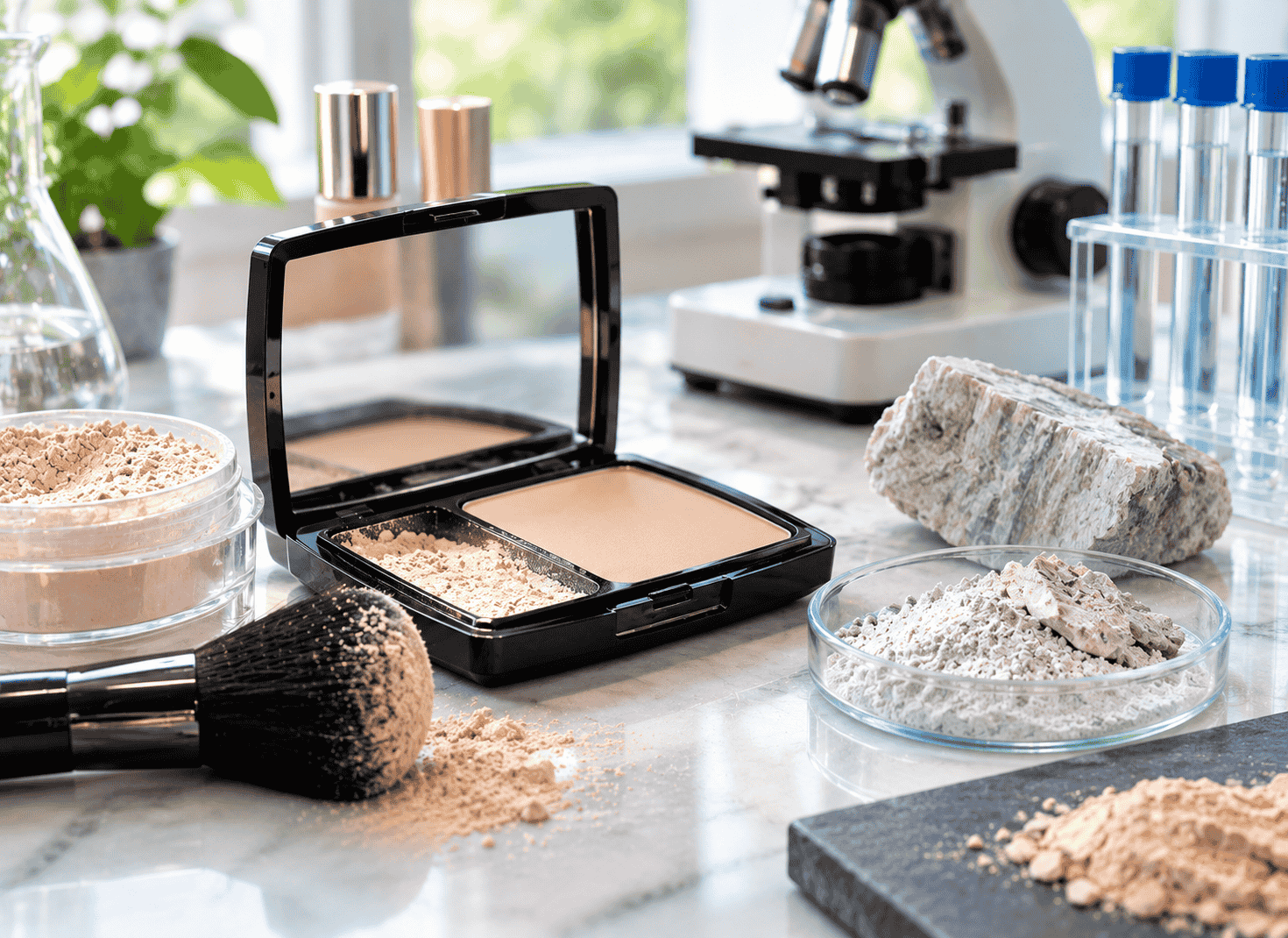
The discovery that cosmetic products can contain asbestos is one of the most alarming consumer safety findings of recent years, and one that most people are entirely unprepared for. Asbestos is strongly associated with industrial workplaces, construction sites, and shipyards in the public imagination. The idea that it could be present in everyday makeup products used by millions of people, including children, represents a different kind of exposure risk that has significant health and legal implications.
Here is what most consumers do not know about asbestos in makeup.
1. Asbestos in Cosmetics Is Not a New Problem
The presence of asbestos in talc-based cosmetic products has been documented for decades, and concerns about the contamination of cosmetic talc with asbestos fibers have been raised by researchers, regulators, and consumer advocates since at least the 1970s. What has changed is the scale of public awareness, driven by high-profile litigation, regulatory testing programs, and media coverage that has brought a long-standing industry issue into mainstream consumer consciousness.
The historical nature of the problem means that consumers who used talc-based products years or decades ago may have been exposed to asbestos without any awareness that the risk existed, and that the health consequences of that exposure may be appearing now as diseases with long latency periods.
2. Talc and Asbestos Are Geologically Connected
The reason asbestos appears in cosmetic talc is geological rather than manufacturing carelessness. Talc and asbestos are both naturally occurring minerals that form in similar geological conditions and are frequently found in proximity to each other in the earth. When talc is mined, asbestos fibers from adjacent deposits can contaminate the extracted material.
The challenge of completely eliminating asbestos from cosmetic talc is therefore rooted in the mining process itself rather than in the production of finished cosmetic products. Manufacturers who source talc from deposits in close proximity to asbestos-bearing rock face contamination risks that processing and testing are supposed to eliminate but have not always succeeded in preventing.
3. The FDA Has Found Asbestos in Commercially Available Cosmetic Products
The United States Food and Drug Administration has conducted testing programs that identified asbestos in commercially available talc-based cosmetic products including eyeshadow palettes, foundation, blush, and children’s cosmetics. These findings were not limited to obscure brands or low-cost products. They included products from well-known brands sold through major national retailers.
The FDA’s findings have prompted voluntary recalls by some manufacturers and increased regulatory scrutiny of cosmetic talc, but the absence of mandatory pre-market testing requirements for cosmetic ingredients in the United States means that contaminated products can reach consumers before testing identifies the problem.
4. Children’s Products Have Been Among Those Found to Contain Asbestos
Among the most concerning findings in cosmetic asbestos testing have been detections in products specifically marketed to children, including children’s makeup kits and play cosmetics. Children who use these products apply them to their skin and can inhale fine particles during application, creating an exposure pathway for a carcinogen in a population that is particularly vulnerable to long-term health consequences from early exposure.
The presence of asbestos in children’s cosmetics has been one of the most significant drivers of public concern and regulatory attention in this area, and it represents a category of exposure risk that parents have had limited ability to anticipate or prevent given the absence of required pre-market safety testing.
5. I Need Legal Help for Filing Mesothelioma Claims Related to Asbestos Exposure
Mesothelioma and other asbestos-related diseases resulting from cosmetic product exposure create a specific legal situation that requires the same specialized expertise as mesothelioma claims arising from occupational asbestos exposure, with additional complexity related to identifying the specific products involved, documenting the exposure history, and establishing the causal connection between cosmetic use and disease.
ELSM Law’s resources on asbestos in makeup address the specific legal landscape of cosmetic asbestos exposure, providing context for victims and families trying to understand their legal options. For anyone seeking legal help with mesothelioma claims related to asbestos exposure from cosmetic products, the first step is consulting with an attorney who has specific experience in asbestos litigation rather than a general personal injury practitioner, because the product identification, causation, and liability analysis required for cosmetic asbestos claims involves specialized knowledge that general practitioners do not typically possess.
The statute of limitations that applies to mesothelioma claims varies by state and is typically measured from the date of diagnosis rather than the date of exposure, which means there is a defined window for taking legal action that makes early consultation with a qualified attorney important regardless of when the exposure occurred.
6. Testing Methods for Asbestos in Cosmetics Are Not Standardized
One of the most significant regulatory gaps in cosmetic asbestos safety is the absence of a standardized testing method that all manufacturers, regulators, and independent laboratories use consistently. Different testing methods have different sensitivity levels and detect different types of asbestos fibers, which means a product that tests negative under one method may test positive under a more sensitive method.
This lack of standardization creates uncertainty about which products are genuinely asbestos-free and which have simply not been tested with methods sensitive enough to detect contamination at low levels. It also creates challenges in litigation, where the methodology used to test a specific product can significantly affect the findings and their interpretation.
7. Asbestos Exposure From Cosmetics Can Affect People Beyond the Primary User
The exposure risk from asbestos-containing cosmetics is not limited to the person applying the product. Talc particles released during application of powder cosmetics can become airborne and be inhaled by people in the immediate vicinity, including family members, friends, and others present during application. This secondary exposure pathway means that household members of regular talc cosmetic users may have been exposed to asbestos without ever using the products themselves.
8. Regulatory Reform Is Ongoing but Has Not Yet Eliminated the Risk
The Modernization of Cosmetics Regulation Act passed in 2022 represented the most significant update to cosmetic safety regulation in decades and included provisions related to asbestos testing in talc-containing products. However, the implementation of these provisions is ongoing and the regulatory framework for cosmetic safety in the United States remains less stringent than in many other countries where more comprehensive pre-market safety requirements apply.
Consumers who want to reduce their exposure risk in the current regulatory environment can look for cosmetics that are certified talc-free, review available testing data for specific products before purchasing, and monitor FDA recall announcements for cosmetic products found to contain asbestos.