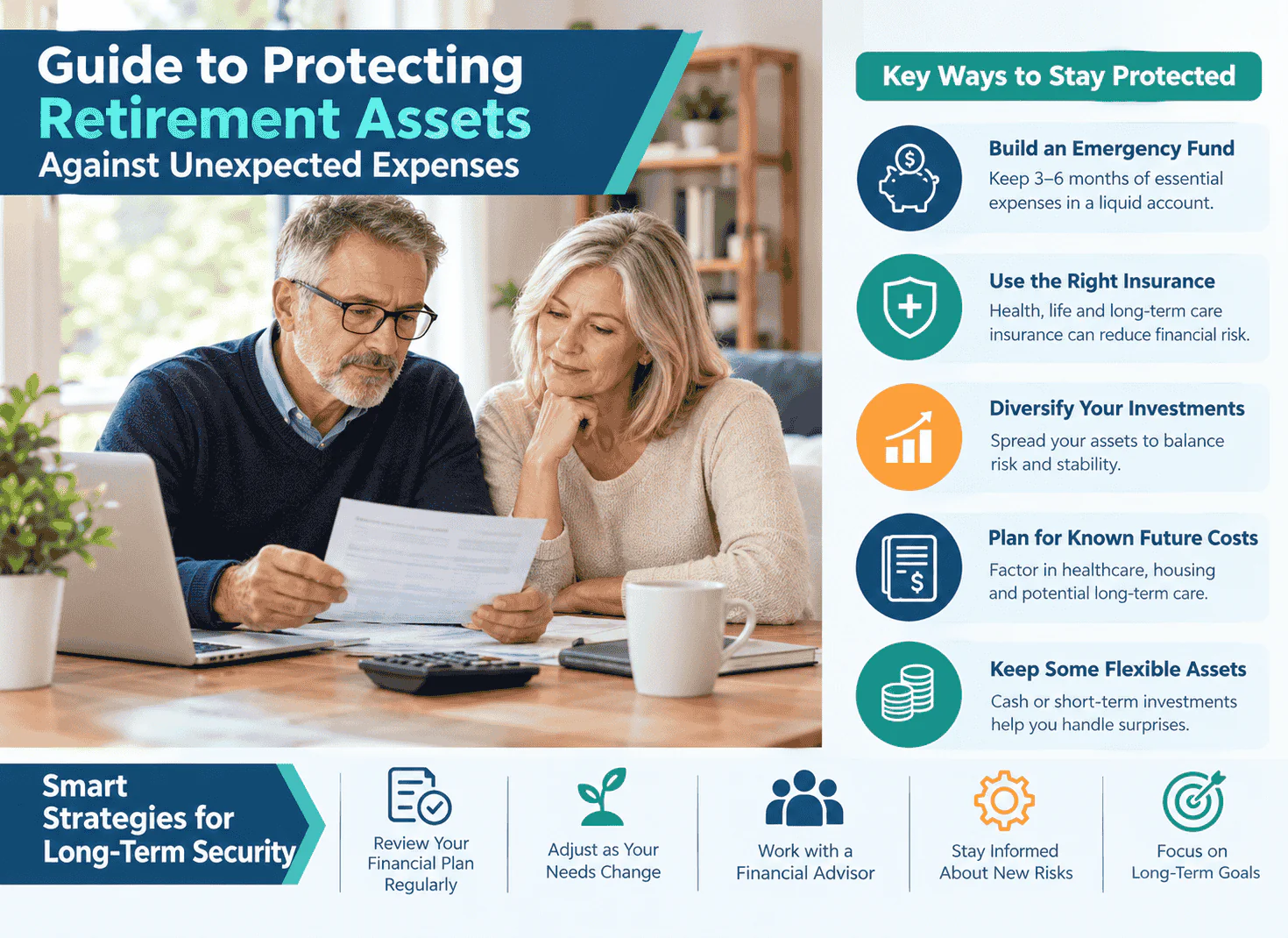
What happens to your retirement plan when an emergency strikes before you reach the end of your savings? Many retirees face this challenge without a clear strategy, putting years of careful financial planning at risk. Unexpected expenses such as major home repairs, medical emergencies, or vehicle replacements can derail even the most disciplined retirement budget. Understanding how to safeguard your retirement assets from these unforeseen costs is essential for maintaining financial security throughout your later years.
1. Build an Emergency Fund Before Retirement
Creating a dedicated emergency fund is one of the most effective ways to protect your retirement assets. This fund should be separate from your regular retirement portfolio and consist of liquid, easily accessible money. Most financial advisors recommend setting aside between six and twelve months of living expenses in cash or cash equivalents such as money market accounts or high-yield savings accounts. By establishing this cushion before you retire, you create a buffer that prevents you from tapping into long-term investments when unexpected costs arise.
The timing of when you build this fund matters significantly. If you are still working, direct a portion of your income toward this emergency reserve rather than waiting until after retirement begins. This approach allows you to accumulate funds while your income remains stable and predictable. Once you retire, adding to the emergency fund becomes more difficult without affecting your monthly budget. Having this safety net in place before your employment ends ensures you can handle surprises without disrupting your investment strategy. Retirees who work with Dechtman Wealth financial advisors during the pre-retirement phase receive structured guidance for building and maintaining these reserves, grounded in each client’s specific income timeline and risk tolerance.
2. Maintain Adequate Insurance Coverage
Insurance serves as a financial shield against catastrophic expenses that could otherwise deplete your retirement savings. Health insurance is critical in retirement, as medical costs tend to increase with age. Long-term care insurance can protect you from the substantial costs associated with nursing home stays or in-home care services. Property and casualty insurance for your home and vehicles protects against major financial losses from accidents, theft, or natural disasters.
Review your insurance policies annually to ensure your coverage remains appropriate for your situation. Some retirees reduce their insurance in an attempt to lower monthly expenses, but this decision can backfire when a significant claim occurs. For example, underinsured homeowners who experience major structural damage may face tens of thousands of dollars in out-of-pocket repairs. Inadequate health insurance during retirement can quickly consume savings that were intended to last decades. Maintaining comprehensive coverage is a straightforward way to keep unexpected expenses from becoming retirement emergencies.
3. Diversify Your Asset Mix Wisely
A diversified portfolio helps ensure that you have flexibility when addressing unexpected costs. Rather than keeping all your retirement money in long-term investments that are difficult to access quickly, maintain a mix that includes some short-term, liquid assets. This strategy allows you to withdraw funds for emergencies without being forced to sell investments at an unfavorable time or incur early withdrawal penalties.
Consider structuring your portfolio in tiers based on when you will need the money. Short-term needs should be covered by easily accessible funds, intermediate needs by bonds or balanced investments, and long-term growth should remain in diversified stock holdings. This tiered approach gives you options when an unexpected expense arises. You can draw from the appropriate tier without disrupting your overall long-term strategy or triggering unnecessary tax consequences.
4. Plan for Healthcare Costs Strategically
Healthcare expenses represent one of the largest unexpected costs retirees face. Creating a specific strategy for managing these expenses protects the rest of your retirement portfolio. Consider setting aside dedicated funds for healthcare costs above what Medicare covers, such as deductibles, copayments, and prescription medications. Health Savings Accounts, if you qualify, offer tax advantages that make them particularly valuable for managing healthcare expenses in retirement.
Understanding what Medicare does and does not cover prevents you from being blindsided by medical bills. Many retirees discover too late that certain procedures or treatments require out-of-pocket payment. Research supplemental insurance options such as Medigap policies that can fill coverage gaps and limit your exposure to unexpected medical costs. Families seeking a senior living option where daily care needs are addressed within a consistent residential structure may find that Bell Oaks Place offers the kind of predictable environment that supports stable day-to-day living. Dedicating a separate pool of funds to healthcare from the outset reduces the likelihood of drawing down general retirement savings when medical needs intensify.
5. Review and Adjust Your Budget Regularly
Regular budget reviews help you identify areas where you can build additional protective capacity. By examining your spending patterns quarterly or annually, you may discover opportunities to reduce discretionary expenses and redirect savings toward your emergency fund. This ongoing process keeps your budget realistic and responsive to actual retirement costs rather than based on assumptions made years earlier.
Life circumstances change, and your budget should reflect those changes. A major life event such as relocating, a shift in health status, or a change in living situation may significantly alter your expenses. Adjusting your budget proactively allows you to maintain your protective strategies even as your situation evolves. Staying engaged with your financial plan ensures you can address emerging challenges before they threaten your retirement security.
Conclusion
Protecting retirement assets against unexpected expenses requires a multifaceted approach that combines emergency savings, adequate insurance, portfolio diversification, healthcare planning, and regular budget reviews. Each of these strategies works together to create layers of financial protection that allow you to handle surprises without compromising your long-term security. By implementing these safeguards before retirement begins and maintaining them throughout your retirement years, you significantly reduce the risk that an unexpected expense will derail your financial plan. Taking action now to build these protective measures ensures that your retirement can weather the unexpected challenges that inevitably arise.