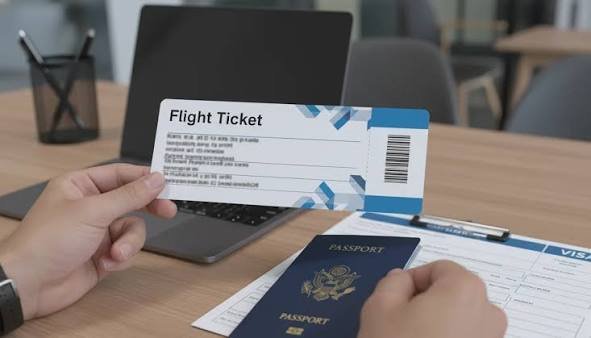
No. A dummy ticket used for a US visa is a flight reservation that outlines an intended trip. It does not provide the payment, ticket number, or confirmed right to board associated with an issued airline ticket.
US visitor visa applicants are advised not to finalize travel or buy tickets before receiving a visa. A reservation may help explain a plan when relevant, but it does not secure approval or replace the fare needed for travel.
What Is the Difference Between a Dummy Ticket and a Paid Ticket?
A genuine reservation holds booking details under a passenger’s name for a limited period. A paid ticket is issued after payment and is used to check in and travel, subject to airline conditions.
thedummyticket.ae provides flight reservations with booking details and a verifiable PNR. The service does not sell the document as a paid airline ticket.
1. A Reservation Shows an Intended Journey
A flight reservation can show proposed dates, airports, flights, and passenger details. It helps describe how the applicant currently expects to travel.
Its role is travel-plan evidence, not transportation. Plans may change after the interview, especially when visa processing takes longer than expected.
2. A Paid Ticket Confirms Fare Payment
A paid booking normally includes an issued electronic ticket number after the airline receives payment. That ticket is connected to the purchased fare.
Fare confirmation matters when the traveller is ready to fly. A reservation without ticket issuance cannot be used as though the full airfare was paid.
3. A PNR Is Not a Ticket Number
The passenger name record stores reservation information. It may exist for both unpaid reservations and fully ticketed bookings.
A booking reference helps locate the record, but it does not prove payment. Ticket status and ticket number are separate details that should not be confused.
4. Reservation Validity Is Limited
An unpaid booking may remain active for a short period before the airline releases it. The exact timing depends on the booking arrangement and carrier.
A temporary validity window makes timing important. The document should be current when presented if an applicant decides to include it.
5. A Paid Ticket Is Needed to Travel
Airlines require an eligible issued ticket before allowing a passenger to check in and board. A reservation PDF alone does not meet that requirement.
Boarding eligibility comes from the ticketed booking and applicable travel documents. The visa, passport, and entry requirements must also be valid.
6. Neither Document Guarantees a Visa
A consular officer considers the application, interview, travel purpose, finances, and reasons for returning home. Flight evidence is only one detail.
A visa decision cannot be purchased through a reservation or ticket. Paying for a costly fare does not create an entitlement to approval.
7. Fabricated Files Are Not Reservations
A document made to look like an airline booking without an underlying record is not a genuine reservation. Editing names, dates, or flight details is also unsafe.
Truthful documentation protects the integrity of the application. Applicants should never submit altered or invented travel evidence to a US consular officer.
What Should Applicants Know Before the US Visa Interview?
The US Department of State advises visitor visa applicants not to make final travel plans or buy tickets before a visa is issued. Applicants should follow the instructions of the embassy or consulate handling their case.
- A flight reservation is not a standard guarantee of visa approval
- Final travel plans should wait until the visa is issued
- The DS-160 should contain truthful intended travel information
- An itinerary may be useful if travel arrangements already exist
- Interview answers should match the stated purpose and expected dates
- Employment, finances, and home-country ties may receive greater attention
- Visa processing can continue after the interview
- Nonrefundable purchases create financial risk if plans change
When Can a Flight Reservation Be Useful for a US Visa?
A reservation can make an intended route easier to explain, but applicants should not present it as a mandatory document in every case. Local instructions and individual circumstances matter.
1. When Travel Dates Are Already Considered
Some applicants have expected leave dates, an event, or a planned holiday period. A reservation can place those dates within a clear route.
The dates remain as proposed travel details until the visa is issued and the trip is finalized. The applicant should describe them honestly during the interview.
2. When the DS-160 Includes a Route
The DS-160 may contain intended arrival details when known. A reservation can reflect the same destination and approximate schedule.
A consistent route avoids unnecessary confusion. If plans change after submitting the form, the applicant should answer questions truthfully rather than conceal the update.
3. When Several Travellers Apply Together
Families or colleagues may plan to use the same flights. A combined reservation can show the shared journey when every traveller is correctly listed.
Complete passenger names help connect the booking to the applicants. Each person still has an individual visa application and must qualify separately.
4. When a Business Visit Has Fixed Dates
Meetings, conferences, or training may have scheduled dates. A sensible flight plan can fit around the documented purpose of the visit.
A business travel schedule should agree with employer letters or event records. The reservation does not replace evidence explaining the professional reason for travel.
5. When the Applicant Wants to Avoid Early Purchase
Buying a nonrefundable international fare before a visa decision creates a financial risk. A reservation can outline the route without representing a paid ticket.
A dummy ticket for a US visa may serve that limited purpose. Honest presentation remains essential throughout the process.
6. When Connections Need Explanation
A UAE departure may involve one or more transit airports before arrival in the United States. The itinerary can display each flight segment in order.
Full connection details make the route easier to understand. Applicants should also check whether any transit country requires separate permission.
7. When an Officer Requests More Information
A consular officer may request additional evidence based on the case. Applicants should provide exactly what is requested within the stated process.
A specific document request should guide the response. Do not overwhelm the file with unrelated papers or assume a reservation resolves every concern.
What Should You Check Before Using a Reservation?
Review the reservation as carefully as any other application document. Correct information is more important than decorative formatting or promotional claims.
- Match the passenger name with the passport
- Confirm the departure and arrival airports
- Review the outbound, connecting, and return flights
- Compare the dates with the DS-160 information
- Make sure the route supports the stated travel purpose
- Check that the PNR relates to an actual booking record
- Never edit the reservation manually
- Describe the document as a reservation, not a paid ticket
Conclusion
A dummy ticket can describe a US journey, but it never replaces the paid ticket needed for actual travel. US authorities advise applicants not to buy tickets or finalize plans before visa issuance. If you carry a reservation, keep it accurate, current, and consistent with your DS-160 and interview answers. Purchase your actual fare only after approval and when your schedule is genuinely confirmed.