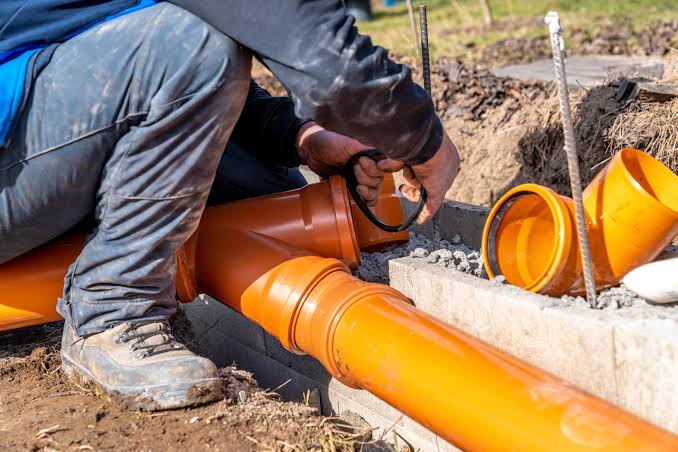
Few things disrupt a household faster than sewer problems. A backed-up drain, a foul odor creeping through the yard, or water pooling where it shouldn’t—these are the kinds of issues that turn a normal day upside down. For homeowners dealing with recurring sewer troubles, understanding when a repair won’t cut it anymore and when replacement becomes the smarter investment can save thousands of dollars and countless headaches down the road.
At Chivalry Plumbing, Heating & Cooling, we’ve helped homeowners navigate this exact decision more times than we can count. Sewer lines don’t fail overnight in most cases. They deteriorate gradually, often showing warning signs long before a complete breakdown occurs. Catching those signs early means the difference between a straightforward fix and an expensive emergency.
This post walks through what causes sewer line damage, the symptoms that signal trouble, and what the replacement process actually looks like.
What Causes Sewer Lines to Fail?
Sewer pipes are built to last for decades, but several factors can shorten their lifespan considerably.
Tree root intrusion ranks among the most common culprits. Roots naturally seek out moisture, and even a hairline crack in a pipe can invite roots to grow inward, eventually causing blockages or complete pipe collapse.
Pipe age and material also play a significant role. Homes built before the 1980s often have sewer lines made from materials like clay, cast iron, or Orangeburg (a bituminous fiber pipe), all of which are prone to corrosion, cracking, or disintegration over time.
Shifting soil and ground movement can cause pipes to bend, sag, or separate at the joints. This is particularly common in areas with expansive clay soil or significant temperature fluctuations.
Grease and debris buildup inside the pipes narrows the passage over time, restricting flow and increasing pressure on aging pipe walls.
What Are the Warning Signs of a Failing Sewer Line?
Recognizing the symptoms of sewer line damage early can prevent a minor issue from becoming a major one.
Recurring Clogs and Slow Drains
If multiple drains throughout the house are slow or clog frequently, despite regular cleaning, this often points to a problem further down the line rather than an isolated issue in one fixture.
Foul Odors Indoors or Outdoors
A properly functioning sewer system shouldn’t produce noticeable smells. Persistent sewage odors, whether inside the home or in the yard, usually indicate a leak or break somewhere in the line.
Unusually Green or Lush Patches in the Yard
Sewage leaking into the soil acts as fertilizer. Homeowners sometimes notice an oddly vibrant patch of grass, which can be a telltale sign of an underground leak.
Soggy or Sunken Areas in the Lawn
Standing water or sunken sections in the yard, especially near the path of the sewer line, suggest that wastewater is pooling underground instead of flowing properly through the pipe.
Mold or Mildew Growth
Excess moisture from a leaking sewer line can seep into a home’s foundation or crawl space, creating the damp conditions mold and mildew need to thrive.
Foundation Cracks
In more severe cases, saturated soil from a sewer leak can shift a home’s foundation, leading to visible cracks in walls or flooring.
How Does a Professional Diagnose Sewer Line Damage?
Modern diagnostic tools have made sewer line inspections far more precise than they used to be. Technicians use high-resolution video cameras threaded through the pipe to pinpoint the exact location and severity of damage, whether that’s a root intrusion, a collapsed section, or significant corrosion.
This video inspection removes the guesswork. Rather than digging up an entire yard to locate a problem, technicians can identify precisely where the damage is occurring and determine the most efficient approach to fix it.
Repair or Replace? How to Decide
Not every sewer issue calls for a full replacement. Minor cracks or isolated blockages can often be resolved with targeted repairs, such as pipe relining or spot repairs at the point of damage.
Replacement becomes the better option when:
- The pipe has multiple points of failure along its length
- The pipe material is outdated and prone to recurring issues (like Orangeburg or clay)
- Previous repairs haven’t resolved the underlying problem
- The pipe has collapsed or sustained extensive root damage
Choose repair if the damage is localized and the rest of the pipe is in good condition. Choose replacement if the pipe is old, degraded throughout its length, or has a history of repeated problems, since continuing to patch an aging system often costs more over time than addressing it fully.
What Does the Sewer Line Replacement Process Involve?
Homeowners looking for a lasting solution to chronic sewer issues can count on Sewer Line Replacement to restore their system’s reliability from the ground up. Our team begins with a thorough camera inspection to assess the full scope of the damage, then walks homeowners through their options clearly, without pressure or confusing jargon.
Depending on the situation, we offer both traditional trench replacement and trenchless methods like pipe bursting, which can minimize disruption to landscaping, driveways, and other structures. Trenchless technology has become increasingly popular because it reduces the time and mess involved compared to conventional digging methods.
Once the new line is installed, we test the system thoroughly to confirm proper flow and function before considering the job complete. Our goal is always to leave homeowners with a sewer system that performs reliably for decades, not just a quick patch that postpones the inevitable.
Protect Your Home With a Reliable Sewer System
A healthy sewer line is something most homeowners never think about until it stops working properly. Addressing warning signs early, understanding the difference between a repair and a full replacement, and working with experienced professionals can save significant time, money, and stress.
If any of the symptoms mentioned above sound familiar, it’s worth having a professional take a closer look before the problem worsens. Chivalry Plumbing, Heating & Cooling is ready to help homeowners get to the root of the issue and find a solution built to last.