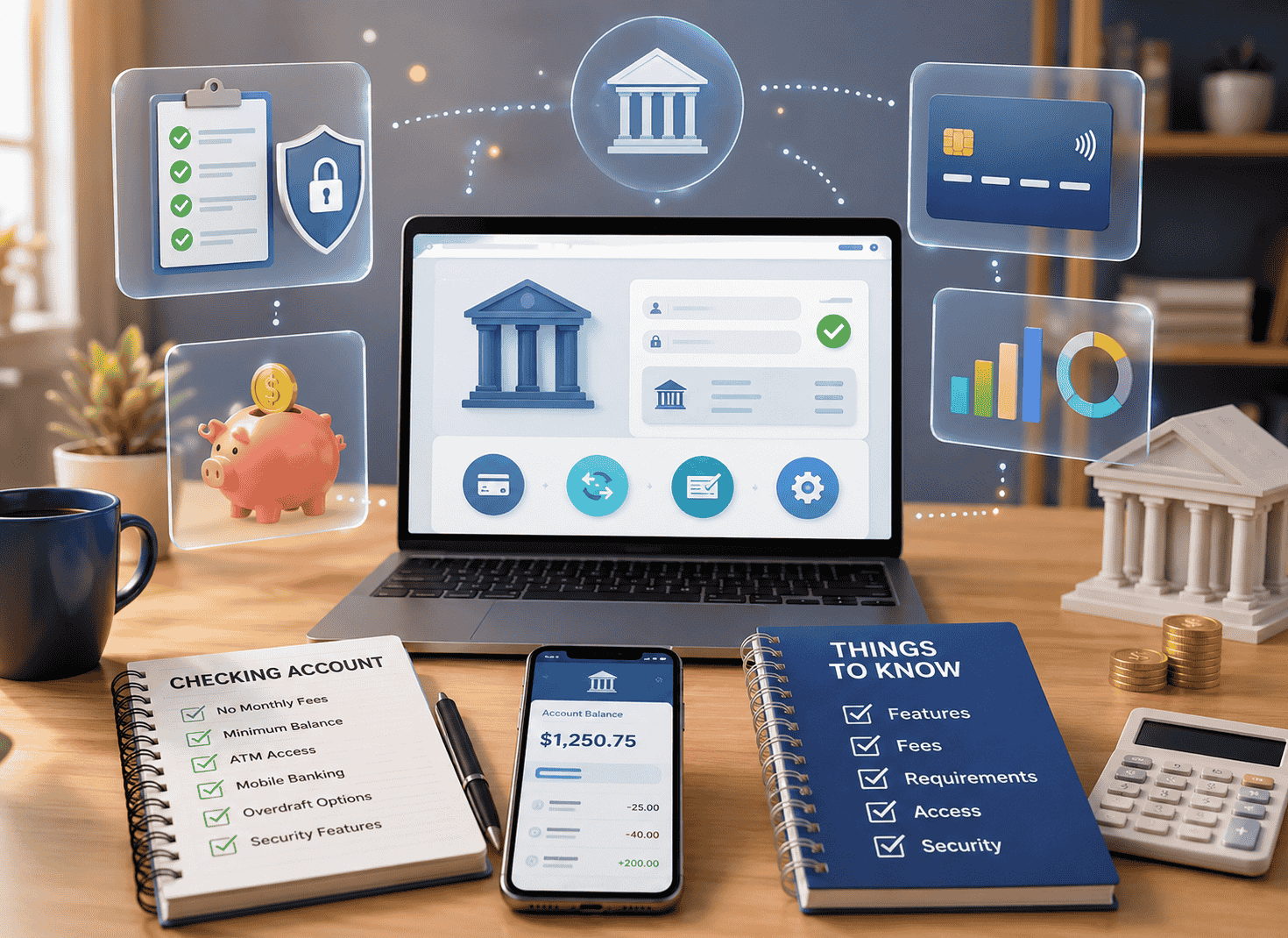
Opening a bank account entirely online is now the default for a lot of new customers, but a few details are worth understanding before starting the process. Most people can open a checking account online, with providers like SoFi, in under ten minutes, with identity verification handled digitally through a photo ID and basic personal information. Knowing what to expect ahead of time makes the whole process feel far more straightforward.
Direct Deposit Setup Is Straightforward
Setting up direct deposit typically just requires the account and routing numbers, easily found within the app immediately after account approval, and most employers can update this information within a single payroll cycle. Many banks also offer a pre-filled form to hand directly to an employer’s payroll department.
ATM Access Depends on the Network
Since online banks don’t have branches, it’s worth checking the size of their fee-free ATM network before assuming cash access will be convenient wherever life happens to take you. Some networks span tens of thousands of locations nationwide, while others are far more limited.
Mobile Check Deposit Is Usually Included
Most online checking accounts support depositing checks by photographing them through the app, removing the need to visit a branch entirely for something as simple as a paper check. Funds from a mobile deposit are typically available within one to two business days.
Fees Vary More Than Expected
Even among online banks, monthly fees, overdraft policies, and out-of-network ATM charges can differ significantly, so it’s worth comparing more than one option before settling on the first one that looks appealing. A few extra minutes of comparison can prevent an unwelcome surprise on a future statement.
Customer Support Is Entirely Remote
Without a branch to visit, support happens over phone or chat, so it’s worth checking hours and responsiveness before relying on an account for anything urgent or time-sensitive. Reading recent reviews that specifically mention support response times can offer a more realistic picture than the marketing page alone.
Security Features Should Be Confirmed
FDIC insurance and two-factor authentication are baseline expectations for any account; confirming both before opening one is a reasonable first step that only takes a moment. Both details are usually listed clearly on a bank’s website or within the app’s security settings.
Switching Banks Is Easier Than It Used To Be
Many banks now offer tools that help automatically redirect direct deposits and recurring payments from an old account to the new one, taking most of the manual work out of the switch. That kind of guided transition can turn what used to be a tedious process into something manageable in a single sitting.
Taking a few minutes to check these details before applying makes it far more likely the new account actually fits how someone banks day to day, rather than requiring another switch a few months later. A little upfront research goes a long way toward avoiding that kind of repeat hassle.