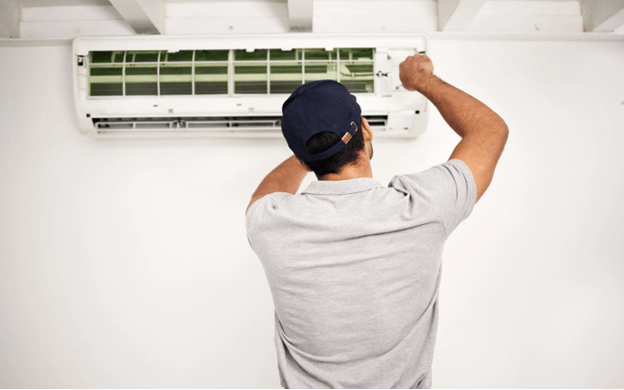
The earliest signs that your air conditioner needs repair are warm air blowing from the vents, a sudden jump in your energy bill without a change in usage, and unusual noises such as grinding or squealing during operation. Catching these early usually means a manageable repair, while ignoring them often leads to a full compressor failure or complete system breakdown during the hottest part of the year.
Air conditioners rarely fail without warning. They typically show subtle signs of trouble weeks or even months before a complete breakdown.
Many homeowners looking for AC repair in Castle Rock CO, first notice these subtle warning signs long before their system stops working altogether. Addressing the problem early can often reduce repair costs and help avoid an unexpected outage during peak summer temperatures.
Here is what to watch for and what each sign usually means.
Warm Air From the Vents
This is often the first sign homeowners notice, and it can point to several different underlying issues. If you have lowered the thermostat but the air coming from the vents feels lukewarm rather than cold, common causes include a refrigerant leak, a failing compressor, or in less serious cases, a simply dirty air filter restricting airflow.
Before assuming the worst, check your air filter and replace it if it looks dirty or clogged, and confirm the thermostat is actually set to cooling mode at the correct temperature. If the problem persists after these basic checks, it is time to call a professional rather than waiting to see if it resolves on its own.
A Sudden Spike in Your Energy Bill
Your air conditioning system typically accounts for a meaningful share of your monthly power bill during cooling season. When that percentage jumps noticeably without a clear reason, like a rate increase or unusually hot weather, it often means your system is working harder than it should to reach the same temperature.
A good rule of thumb worth following: if your energy bill increases by 15 to 20 percent or more without an obvious explanation, have your system inspected. Common culprits behind this kind of spike include dirty condenser coils, which prevent proper heat release, and low refrigerant levels, both of which force the system to run longer and consume more electricity to do the same job.
Uneven Cooling Throughout the House
If one room stays comfortably cool while another feels noticeably warmer, this points to a distribution problem rather than a failure of the unit itself. According to Energy Star data, up to 20 to 30 percent of conditioned air can escape through poorly connected or leaking ductwork before it ever reaches your vents.
This kind of leak does not just create uncomfortable temperature differences between rooms. It also means your system is working harder and burning more energy to compensate for air that never reaches where it is needed. A professional can inspect ductwork for disconnections, crushed sections, or leaks that are invisible from inside the room itself.
Unusual Noises During Operation
A healthy air conditioner runs with a fairly consistent, quiet hum. When that sound changes to banging, grinding, rattling, or squealing, it is worth paying attention to, since each type of noise often points to a different mechanical issue.
- Banging or clanking often indicates a loose or broken internal part
- Squealing can point to belt wear or motor bearing issues
- Grinding noises frequently signal a failing motor or compressor component
- Rattling can mean loose panels or debris caught inside the unit
None of these noises are considered normal, and continuing to run the system while ignoring them typically allows a smaller, cheaper repair to become a much larger one.
The System Runs Constantly Without Reaching the Set Temperature
Your air conditioner is designed to cycle on and off throughout the day as it reaches and maintains your target temperature. If it is running nonstop without ever seeming to catch up, this points to a problem like low refrigerant, a dirty evaporator coil, or in some cases, a unit that was undersized for your home to begin with.
Constant running puts significant strain on the system, accelerating wear and increasing the likelihood of a breakdown sooner than the unit’s expected lifespan would otherwise suggest.
Musty Odors or Water Around the Unit
A strong, musty smell coming from your vents often points to mold or mildew buildup somewhere inside the unit or ductwork, frequently caused by a clogged condensate drain line that is not properly draining moisture away. This creates ideal conditions for mold growth and can affect indoor air quality beyond just comfort.
Visible water pooling around the indoor unit is another sign worth taking seriously. It can indicate a clogged drain line, a frozen evaporator coil that has begun to thaw and overflow, or a more serious refrigerant issue. Any of these warrant a professional inspection rather than simply mopping up the water and waiting to see if it recurs.
Age Is a Factor Too
Most air conditioning systems last around 10 to 15 years with regular maintenance. Once a unit passes the 10-year mark and starts needing more frequent repairs, it is worth having an honest conversation with a technician about whether continued repair makes financial sense compared to replacement, especially since modern units are meaningfully more energy efficient than older models.
A general guideline many technicians use: if the cost of a repair exceeds roughly half the cost of a new unit, replacement is usually the more sensible long-term choice, particularly for an older system already showing multiple signs of wear.
Preventing Problems Before They Start
Regular maintenance is the most effective way to avoid emergency repairs altogether. This includes changing or cleaning your air filter monthly, scheduling a professional tune-up each spring before peak cooling season begins, and keeping the outdoor unit clear of debris, leaves, and overgrown vegetation that can restrict airflow.
If you are noticing any combination of the signs above, particularly warm air paired with rising energy bills, it is worth scheduling a professional inspection rather than waiting for a complete breakdown. For homeowners researching AC repair in Castle Rock, CO, catching these early signs before a summer heat wave is far less stressful and often far less expensive than an emergency call during a system failure.
Frequently Asked Questions
How much does it typically cost to repair an air conditioner versus replace it? Small repairs like replacing a capacitor or cleaning coils tend to be relatively affordable, while major component failures like a compressor can cost nearly as much as a new system. This is why the “half the cost of a new unit” guideline is a useful starting point for the repair versus replace decision.
Can I attempt any of these repairs myself? Basic maintenance like changing air filters and clearing debris around the outdoor unit is safe for most homeowners. Anything involving refrigerant, electrical components, or internal mechanical parts should be left to a licensed HVAC technician, both for safety and because improper DIY repairs can void manufacturer warranties.
Is it normal for an air conditioner to run longer on extremely hot days? Yes, longer run times on the hottest days of the year are normal and expected. The concern is a system that runs constantly regardless of outdoor temperature, or one that runs long but still fails to reach the set temperature, both of which point to an underlying issue rather than normal seasonal demand.